Knowledge Sharing Best Practices for Engineering Teams
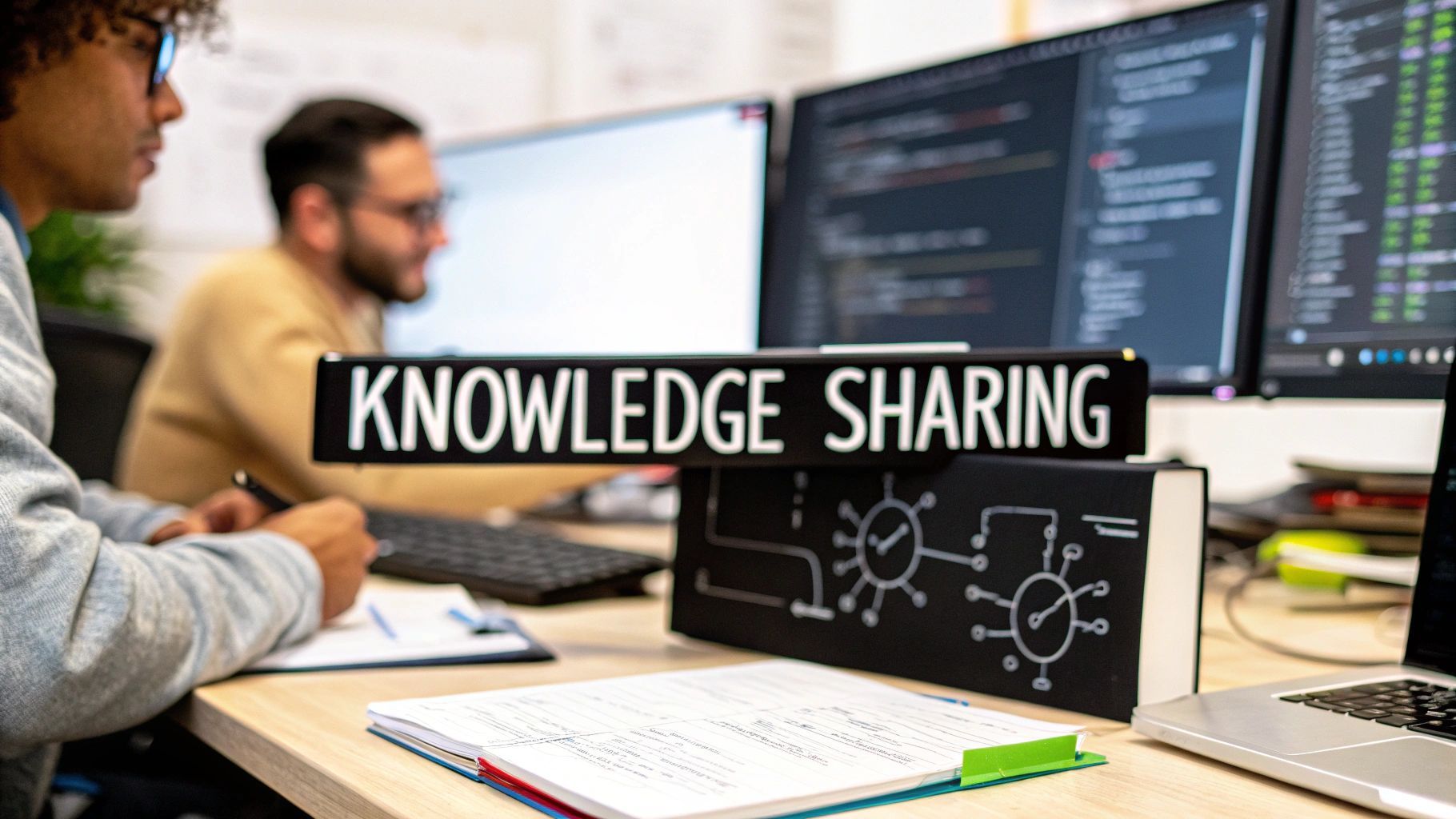
In fast-paced development cycles, trapped knowledge is more than a bottleneck; it’s a critical failure point. When a key engineer is on vacation or leaves the company, their unique insights and unwritten rules shouldn’t leave with them. The difference between a high-velocity engineering team and one stuck in a cycle of repeated mistakes often comes down to one thing: a robust system for sharing information. When tribal knowledge stays locked in individual minds or private channels, you create dependencies that stall projects, increase onboarding times, and lead to costly, avoidable errors. This isn’t just an inconvenience; it’s a direct threat to your team’s momentum and innovation capacity.
This article moves beyond generic advice and provides a prioritized, actionable roundup of knowledge sharing best practices tailored specifically for engineering teams. We will break down ten proven strategies, from establishing dynamic knowledge bases and communities of practice to implementing effective mentorship programs and after-action reviews. For each practice, you’ll get concrete implementation steps, real-world examples, and clear metrics to track your progress and demonstrate impact.
We’ll also explore how modern AI tools can supercharge these traditional methods, helping to automate documentation, surface relevant information, and turn individual learnings into scalable, team-wide expertise. By the end of this guide, you will have a clear blueprint for transforming your team’s collective intelligence from a hidden liability into your most powerful and tangible asset. Let’s get started.
1. Solidify Your Single Source of Truth: Documentation and Knowledge Bases
Creating a comprehensive, organized repository of information is the foundation of any scalable knowledge sharing best practices. A well-maintained knowledge base, whether a wiki like Confluence or a modern tool like Notion, ensures that institutional knowledge is preserved, accessible, and centralized.
For engineering teams, this means everything from architectural decision records (ADRs) to coding standards and onboarding guides are available on-demand. This practice drastically reduces dependency on individual experts and siloed information, empowering any team member to find answers independently and accelerate problem-solving. The goal is to make crucial information discoverable, not just stored away.
How to Implement This Practice
- Choose Your Platform: Select a tool that fits your team’s workflow. Popular choices include Confluence for deep integration with Jira, Notion for its flexible database and documentation features, or GitBook for public-facing developer docs.
- Establish Standards: Create and enforce clear documentation standards. This includes ADR templates, consistent naming conventions for pages, and a tagging system to improve searchability.
- Assign Ownership: Designate subject matter experts (SMEs) or code owners to maintain specific sections of the knowledge base. This distributes responsibility and keeps content current.
- Promote a “Docs-as-Code” Culture: Integrate documentation updates directly into your development lifecycle. Encourage engineers to update relevant docs as part of their pull request process, treating documentation as a core part of the feature, not an afterthought. For a deeper dive into this, explore these essential code documentation best practices.
Key Insight: A single source of truth isn’t just a database; it’s a cultural commitment to a shared understanding. When documentation is treated as a first-class citizen, teams move faster and with greater alignment.
2. Foster Cross-Team Collaboration with Communities of Practice
While a central knowledge base captures explicit information, a significant amount of expertise remains tacit, embedded in individual experience. Communities of Practice (CoPs) are a powerful mechanism to surface this knowledge by connecting people with shared interests or roles across different teams. These groups meet regularly to discuss challenges, share solutions, and co-create best practices in a specific domain, like frontend development, cloud infrastructure, or data science.
This approach creates a living, breathing network for knowledge sharing that complements static documentation. By fostering informal connections and peer-to-peer learning, CoPs break down organizational silos and accelerate the spread of innovation. For example, a CoP focused on AI engineering could share effective prompt templates, evaluate new tools, and establish standards for using AI assistants, ensuring a consistent and effective approach across the entire organization. This is a core pillar of effective knowledge sharing best practices.

How to Implement This Practice
- Identify Key Domains: Start by identifying critical domains or emerging technologies where shared learning would be most impactful. This could be anything from a specific programming language (e.g., Rust) to a discipline (e.g., Site Reliability Engineering).
- Empower a Champion: Find an enthusiastic volunteer to champion the community. This person’s role is to facilitate discussions, schedule meetings, and maintain momentum, not to be the sole expert.
- Set a Clear Cadence and Agenda: Establish a regular meeting schedule, whether weekly, bi-weekly, or monthly. Create a simple, flexible agenda format that encourages participation, such as “wins, challenges, and questions.”
- Document and Share Insights: Use a dedicated space in your knowledge base or a chat channel to document key takeaways, decisions, and resources from each meeting. This makes the CoP’s value accessible to those who couldn’t attend and new team members.
Key Insight: Communities of Practice turn individual expertise into a collective asset. They create psychological safety for engineers to ask questions, admit they don’t know something, and learn from their peers without formal pressure.
3. Mentorship and Coaching Programs
Structured mentorship programs are one of the most effective knowledge sharing best practices because they facilitate the transfer of tacit knowledge, the unspoken, experience-based wisdom that rarely makes it into documentation. Pairing experienced engineers with junior team members creates a direct channel for passing on nuanced problem-solving approaches, navigating organizational complexities, and fostering professional growth.
This one-on-one guidance, championed by leaders like Jack Welch at GE, accelerates learning curves and builds deep, resilient team relationships. It transforms senior-level expertise from a siloed asset into a scalable resource that elevates the entire team’s capability. The goal is to institutionalize the process of learning from those who have walked the path before.

How to Implement This Practice
- Define Program Goals: Clearly outline what the mentorship program aims to achieve. Is it for onboarding, skill development, or leadership training? Define roles and set clear expectations for both mentors and mentees regarding time commitment and objectives.
- Match Participants Strategically: Create a matching process based on goals, skills, and personality. Allow mentees to select from a pool of trained mentors to ensure a good fit. Use a lightweight framework to guide the initial meetings.
- Provide Mentor Training: Equip your mentors with the necessary coaching and feedback skills. Great engineers are not always natural teachers. Training on active listening, goal setting, and constructive feedback is crucial for success. Mentorship often complements other feedback mechanisms; discover how it can enhance your code review best practices.
- Recognize and Reward Mentors: Acknowledge the significant effort mentors invest. Recognize their contributions in performance reviews, team shout-outs, or with small rewards. This reinforces the value of mentorship and encourages broader participation.
Key Insight: Mentorship formalizes the transfer of your team’s most valuable asset: experience. It converts individual wisdom into a shared, growing library of institutional knowledge that documentation alone cannot capture.
4. Peer Learning and Knowledge Exchanges
Formal documentation is essential, but some of the most valuable knowledge sharing happens horizontally between peers. Peer learning and knowledge exchanges create a dynamic environment where colleagues at similar levels learn from each other’s experiences, expertise, and perspectives. This democratizes knowledge, breaking down hierarchical barriers and fostering a culture of continuous, collaborative improvement.
This practice is powerful because it’s timely, relevant, and built on trust. Whether through peer code reviews, collaborative problem-solving workshops, or informal “lunch and learn” sessions, engineers can share practical insights and tactical solutions that might not be captured in official documentation. It transforms everyday challenges into learning opportunities, building team cohesion and collective intelligence in the process.
How to Implement This Practice
- Schedule Regular Peer Learning Sessions: Dedicate time for activities like “lunch and learns,” tech talks, or “brown bag” sessions. Consistency is key, so get these on the calendar as recurring events to build a rhythm.
- Rotate Facilitators and Topics: Encourage different team members to lead sessions on topics they are passionate about or have recently mastered. This distributes the responsibility and exposes the team to a diverse range of subjects and perspectives.
- Establish Ground Rules for Respectful Discussion: Create a psychologically safe environment where all questions are welcome and discussions are constructive. The goal is collective learning, not proving who is smartest in the room.
- Document and Share Key Takeaways: Capture the highlights, key decisions, or useful snippets from each session and add them to your knowledge base. This ensures the value extends beyond the attendees. It can also complement insights shared during daily check-ins, which you can optimize with a well-structured daily standup agenda.
Key Insight: Peer learning turns individual expertise into a shared team asset. It fosters a culture where everyone is both a teacher and a student, accelerating skill development and innovation from the ground up.
5. Internal Webinas and Training Sessions
Beyond static documentation, interactive learning sessions are a powerful way to distribute expert knowledge at scale. Internal webinars, tech talks, and structured training sessions transform tacit knowledge from individual experts into explicit, reusable content for the entire organization. This is one of the most effective knowledge sharing best practices for complex topics that benefit from live explanation and Q&A.
For engineering teams, this could mean a senior engineer hosting a session on a new microservice architecture, a security expert explaining the latest threat modeling techniques, or a demo of a new internal tool. These events not only disseminate information efficiently but also create valuable artifacts- a recording of the session can be added to the knowledge base, serving as an evergreen resource for new hires and future reference.
How to Implement This Practice
- Establish a Regular Cadence: Create a consistent schedule for these sessions, such as bi-weekly “Tech Talks” or monthly “Deep Dive” workshops. A predictable rhythm encourages both presenters and attendees to participate.
- Equip Your Experts: Provide presenters with simple templates for slides and clear guidelines on session structure. Not every expert is a natural presenter, so offering support and even public speaking coaching can dramatically improve the quality of the sessions.
- Promote and Prepare: Announce sessions well in advance with clear learning objectives. Share a brief agenda and any pre-reading materials to help attendees come prepared with relevant questions, making the interactive portion more valuable.
- Record, Transcribe, and Archive: Always record sessions. Use tools that can auto-transcribe the video, then upload the recording and transcript to your central knowledge base. Tag the content appropriately so it’s easily discoverable via search.
Key Insight: The value of a live session isn’t just in the one-hour presentation; it’s in the creation of a permanent, high-fidelity learning asset. Recording and archiving multiplies the initial effort, turning a one-time event into a long-term knowledge-sharing victory.
6. After-Action Reviews (AARs) and Retrospectives
Formalizing the process of learning from experience is a powerful knowledge sharing best practice. Structured debriefing sessions, like After-Action Reviews (AARs) or Agile retrospectives, allow teams to collectively reflect on what went well, what didn’t, and how to improve. This practice captures valuable, often ephemeral, lessons learned and transforms them into actionable knowledge for future initiatives.
For engineering teams, this means a post-incident review can codify the exact steps to prevent a future outage, or a sprint retrospective can refine the development process to increase velocity. By making these discussions a routine, you create a systematic loop of continuous improvement, ensuring that insights are not lost and mistakes are not repeated. This turns every project, successful or not, into a source of institutional wisdom.
How to Implement This Practice
- Establish a Blameless Culture: The primary goal is learning, not assigning blame. Foster psychological safety by emphasizing that the process is about improving systems and workflows, not punishing individuals for mistakes.
- Use a Structured Format: Guide the conversation with a simple, consistent framework. The classic AAR model asks: What was supposed to happen? What actually happened? Why was there a difference? What will we do differently next time?
- Document and Assign Action Items: Capture key insights and decisions in your knowledge base. Every improvement identified should become a concrete action item with a clear owner and a deadline to ensure follow-through.
- Share Learnings Broadly: Don’t let the lessons from one team’s retrospective stay siloed. Summarize key takeaways and share them across relevant teams or the entire engineering organization to scale the impact of the knowledge gained.
Key Insight: Retrospectives aren’t about looking back; they’re about building a roadmap for the future. By systematically capturing and acting on lessons learned, you turn past performance into a direct driver of future success.
7. Storytelling and Narrative Sharing
Facts and figures convey information, but stories make it stick. Using narratives, case studies, and anecdotes is one of the most powerful knowledge sharing best practices because it taps into our innate human ability to connect with stories. This approach transforms dry, technical knowledge into memorable and relatable lessons that resonate on an emotional level.

For engineering teams, this can mean framing a post-mortem not just as a list of technical failures, but as a narrative of a challenge faced, overcome, and learned from. Similarly, a new architectural decision can be shared as a story of the problem, the options explored, and the “hero’s journey” to the chosen solution. This human-centered technique, popularized by thinkers like Brené Brown and Simon Sinek, makes complex concepts more digestible and ensures key takeaways are retained.
How to Implement This Practice
- Frame Post-Mortems as Narratives: Instead of a dry timeline, structure your incident reviews with a clear beginning (the trigger), middle (the debugging journey), and end (the resolution and learnings). Focus on the “why” behind the actions taken.
- Share “Failure Fridays”: Create a psychologically safe space, like a dedicated weekly or bi-weekly meeting, where team members can share stories of projects that didn’t go as planned. This normalizes failure as a learning opportunity and extracts valuable lessons.
- Document Customer Success Stories: Collaborate with product and sales teams to create internal case studies. Detail the technical challenges, the engineering solutions implemented, and the direct impact on the customer. This connects code to real-world value.
- Use the Hero’s Journey Framework: When explaining a new feature or system, frame the user (or the developer) as the hero. Describe their problem (the villain), how the new tool helps them (the magic sword), and the successful outcome they achieve.
Key Insight: People don’t remember data points; they remember stories. By embedding knowledge within a narrative, you increase its emotional impact and memorability, transforming a simple lesson into institutional wisdom.
8. Cross-Functional Collaboration and Project Teams
Breaking down organizational silos is one of the most powerful knowledge sharing best practices. Cross-functional teams bring together individuals from different departments and disciplines to work on shared projects, creating a dynamic environment where diverse knowledge and perspectives collide. This model, famously used by companies like Spotify with their squad model, fosters innovation and holistic problem-solving.
By integrating members from product, engineering, design, and marketing, teams develop a more comprehensive understanding of a project’s goals and challenges. This direct collaboration ensures that crucial context is shared organically, reducing misunderstandings and accelerating decision-making. The result is not just a better product but a more informed and interconnected organization.
How to Implement This Practice
- Define Clear Roles and Goals: Establish the project’s mission, success metrics, and each member’s specific role and decision-making authority from the outset. This clarity prevents confusion and aligns efforts.
- Establish Communication Rhythms: Schedule regular, structured touchpoints like daily stand-ups, weekly syncs, and project retrospectives. Consistent communication is the lifeline of a cross-functional team.
- Create Psychological Safety: Actively foster an environment where all members feel safe to voice opinions, ask questions, and challenge ideas without fear of judgment. Diverse perspectives are only valuable if they are shared.
- Document Shared Knowledge: Use a central space, like a project wiki or shared document, to capture decisions, learnings, and key discussions. This creates a lasting record of the knowledge exchanged during the project lifecycle.
Key Insight: True innovation happens at the intersection of different disciplines. Cross-functional collaboration isn’t just a project management strategy; it’s a mechanism for weaving diverse expertise into the very fabric of your team’s output.
9. Formal Training Programs and Curriculum Development
While informal knowledge sharing is vital, structured training programs are essential for systematically building deep, specialized competencies. Developing a formal curriculum, from onboarding bootcamps to advanced certification paths, ensures that critical skills are transferred consistently and effectively across the entire engineering organization. This approach moves beyond ad-hoc learning to create deliberate, measurable growth paths.
For growing teams, this means new hires ramp up faster with a standardized onboarding curriculum, and existing engineers can upskill in critical areas like cloud architecture or machine learning through dedicated learning modules. Companies like Google with its Career Certificates or internal “universities” at IBM demonstrate how formal education accelerates innovation and closes skill gaps, making this one of the most impactful knowledge sharing best practices for long-term success.
How to Implement This Practice
- Align with Business Goals: Start by identifying the key skills and competencies your engineering team needs to achieve its strategic objectives. Design your curriculum to directly address these gaps.
- Apply Instructional Design: Use proven instructional design principles to structure your content. This includes defining clear learning objectives, creating engaging materials, and incorporating assessments to measure comprehension.
- Blend Learning Modalities: Combine different formats to cater to diverse learning styles. Mix self-paced video modules, instructor-led workshops, hands-on coding labs, and peer-to-peer coaching sessions for a richer educational experience.
- Create Clear Learning Paths: Map out clear progression pathways for engineers. An entry-level developer should see a direct line from their onboarding training to senior-level courses, with milestones and certifications along the way.
Key Insight: Formal training programs transform knowledge from a tribal asset into a scalable, organizational capability. They are an investment in your team’s collective expertise, paying dividends in performance, retention, and innovation.
10. Open Source and Collaborative Contribution Models
Adopting an internal open-source model democratizes knowledge sharing by treating internal projects like public open-source endeavors. This approach encourages engineers to contribute to shared codebases and resources, breaking down silos and leveraging the collective intelligence of the entire organization. Projects like Linux and Meta’s React demonstrate how this model accelerates innovation through transparent, collaborative participation.
By establishing clear contribution guidelines and transparent review processes, you create a system where the best ideas can surface from anywhere. This practice not only improves code quality and reuse but also fosters a powerful culture of ownership and shared responsibility. It transforms passive knowledge consumption into active, collaborative creation, making it one of the most dynamic knowledge sharing best practices for modern engineering teams.
How to Implement This Practice
- Establish Clear Contribution Guidelines: Create a
CONTRIBUTING.mdfile for key repositories. This document should detail coding standards, testing requirements, the pull request process, and communication channels. - Use Version Control Effectively: Standardize on a platform like GitHub or GitLab. Enforce a branching strategy (e.g., GitFlow) and use features like pull request templates to guide contributors.
- Create Transparent Review Processes: Implement a code review system where contributions are publicly discussed and approved. Assign code owners or maintainers who are responsible for timely and constructive feedback.
- Recognize and Reward Contributors: Acknowledge valuable contributions publicly, whether through team shout-outs, internal newsletters, or a “contributor of the month” program. Recognition motivates further participation and reinforces the value of collaboration.
Key Insight: An internal open-source culture shifts the mindset from “my code” to “our code.” It builds a resilient, interconnected engineering organization where knowledge flows freely across team boundaries.
Top 10 Knowledge-Sharing Practices Comparison
| Practice | Implementation complexity (🔄) | Resource requirements (⚡) | Expected outcomes (📊⭐) | Ideal use cases (💡) |
|---|---|---|---|---|
| Documentation and Knowledge Bases | Medium 🔄🔄 | Moderate ⚡⚡ (tools + maintenance) | Centralized, searchable knowledge; faster onboarding 📊⭐⭐ | Organizations needing persistent, discoverable reference |
| Communities of Practice | Low–Medium 🔄🔄 | Moderate ⚡⚡ (member time, coordination) | Peer-driven innovation; tacit knowledge exchange 📊⭐⭐ | Cross-functional learning, domain communities |
| Mentorship and Coaching Programs | High 🔄🔄🔄 | High ⚡⚡⚡ (senior time, program management) | Accelerated skill growth; leadership pipeline 📊⭐⭐⭐ | Leadership development; complex tacit knowledge transfer |
| Peer Learning and Knowledge Exchanges | Low 🔄 | Low ⚡ (informal sessions) | Improved collaboration; practical, timely skills 📊⭐ | Team-level skill sharing, peer reviews, lunch-and-learns |
| Internal Webinars and Training Sessions | Medium 🔄🔄 | Moderate ⚡⚡ (platforms, presenters) | Scalable knowledge delivery; reusable recordings 📊⭐⭐ | Company-wide updates, expert-led instruction |
| After-Action Reviews (AARs) & Retrospectives | Low–Medium 🔄🔄 | Low–Moderate ⚡⚡ | Rapid lessons learned; continuous improvement 📊⭐⭐ | Post-project or incident learning, process improvement |
| Storytelling and Narrative Sharing | Low 🔄 | Low–Moderate ⚡⚡ | Higher retention; cultural and situational learning 📊⭐ | Culture building, case studies, memorable lessons |
| Cross-Functional Collaboration & Project Teams | High 🔄🔄🔄 | High ⚡⚡⚡ (coordination, time) | Innovation and better solutions from diverse input 📊⭐⭐⭐ | Complex projects requiring multidisciplinary expertise |
| Formal Training Programs & Curriculum Development | High 🔄🔄🔄 | High ⚡⚡⚡ (design, delivery, upkeep) | Measurable competency; deep expertise; certifications 📊⭐⭐⭐ | Scalable skill development, compliance, certification paths |
| Open Source & Collaborative Contribution Models | High 🔄🔄🔄 | Moderate–High ⚡⚡⚡ (governance, community mgmt) | Accelerated innovation; external community and reputation 📊⭐⭐⭐ | Software projects, community-driven resources and tools |
From Practices to Culture: Making Knowledge Sharing Your Team’s Default
We’ve journeyed through a comprehensive set of ten knowledge sharing best practices, from building robust documentation hubs and fostering Communities of Practice to implementing dynamic After-Action Reviews and mentorship programs. Each practice offers a unique mechanism to transform individual expertise into a collective, durable asset for your entire engineering organization. The common thread connecting them all is a shift from ad-hoc information exchange to a deliberate, systematic approach to learning and growth.
Implementing these strategies is more than a procedural checklist; it’s a cultural transformation. It’s about creating an environment where asking questions is encouraged, sharing discoveries is rewarded, and learning from failure is a core operational principle. The goal isn’t to simply do knowledge sharing, but to become a knowledge-sharing team. This is how you break down information silos, reduce dependency on single “experts,” and accelerate onboarding for new team members. It’s the foundation for a resilient, innovative, and high-velocity engineering culture.
Your First Steps to Building a Knowledge-Sharing Ecosystem
The path to a fully integrated knowledge-sharing culture can seem daunting, but it starts with a single, deliberate step. Don’t attempt to implement all ten practices at once. Instead, identify your team’s most significant friction point.
- Is tribal knowledge a major blocker? Start with building a centralized knowledge base or implementing After-Action Reviews to capture critical learnings from projects.
- Is your team struggling with a new technology? A Community of Practice or a peer-to-peer mentorship program could be the perfect starting point.
- Are junior developers taking too long to ramp up? Formalize your coaching and peer learning sessions to create structured support systems.
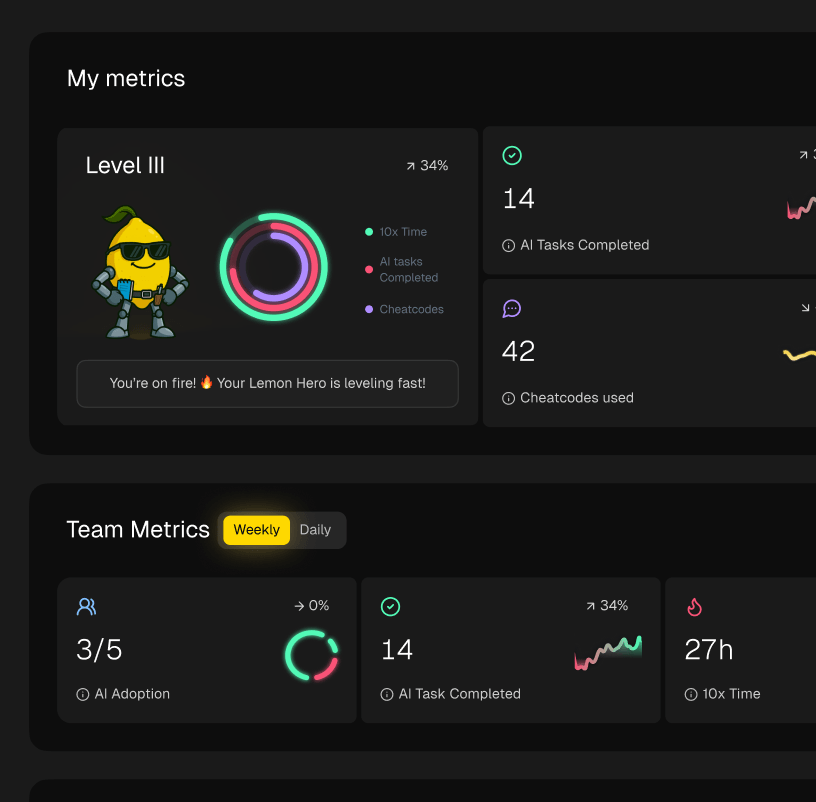
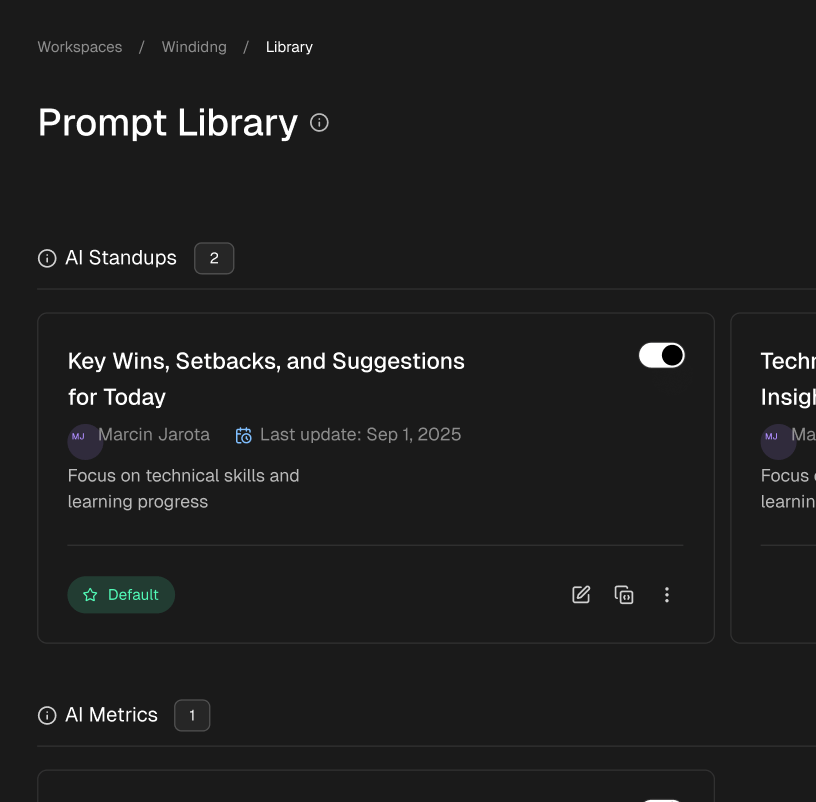
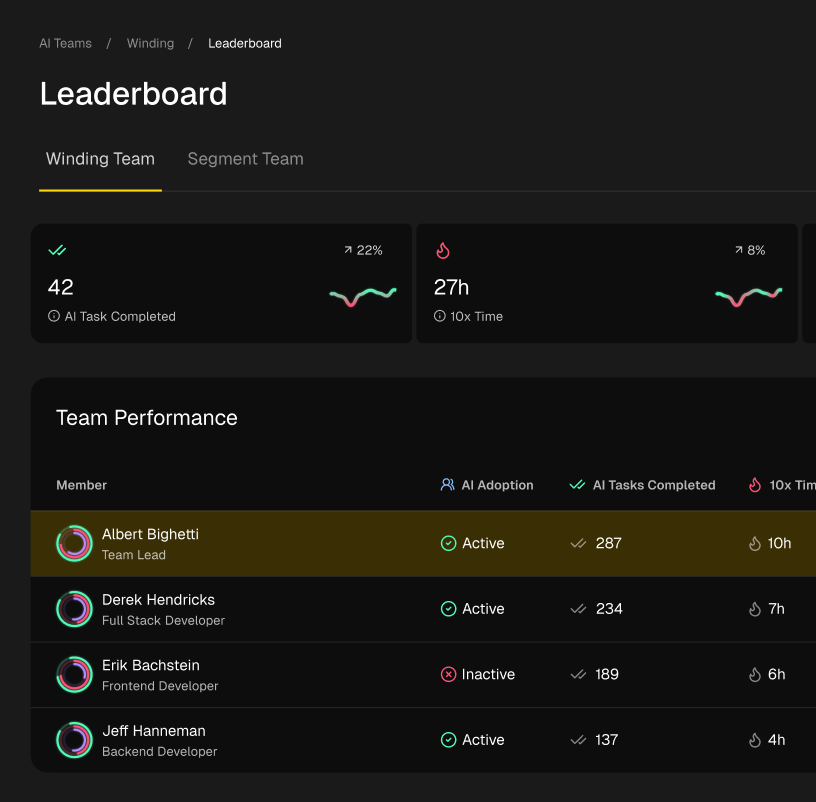
Pick one or two of these knowledge sharing best practices that directly address an immediate need. Secure buy-in from your team, define clear success metrics (like reduced time-to-answer for common questions or increased code reuse), and start small. As you demonstrate value, you can gradually layer in more practices, building momentum and creating a powerful, interconnected system. Tools like Zest, with its AI-powered features, can act as a powerful accelerator by seamlessly integrating knowledge capture and discovery directly into the developer workflow, making the right information available at precisely the right moment.
The true power of mastering these concepts lies in creating a self-reinforcing cycle of improvement. When knowledge is shared effectively, developers solve problems faster, make fewer repeated mistakes, and feel more connected to their team’s collective mission. This success fuels further innovation and collaboration, making the entire organization more adaptable and competitive. You’re not just archiving information; you’re building a living, breathing organizational memory that grows smarter with every contribution. The ultimate value is an engineering team that learns as fast as it builds.
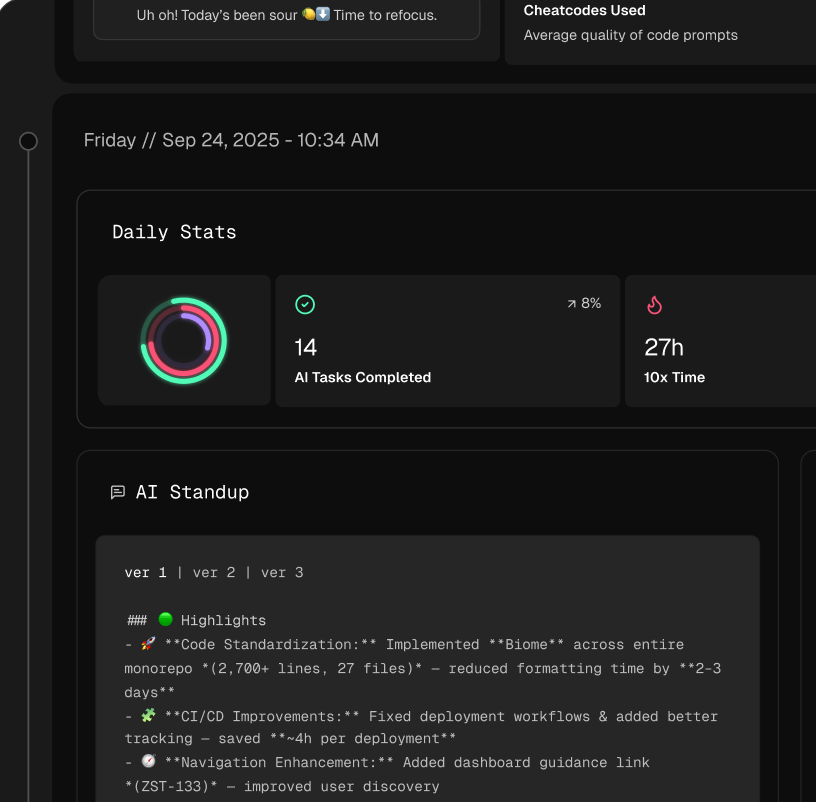
Ready to embed knowledge sharing directly into your team’s daily workflow? Zest uses AI to capture insights from your standups, identify key learnings, and make them discoverable right inside your IDE. Transform your team’s tribal knowledge into a powerful, searchable asset by getting started with Zest today.
Knowledge Sharing Playbook
Transform your team's individual insights into a powerful, collective asset that fuels innovation.
📊 Core Metrics
- Time-to-Answer — Average time it takes for a developer to find a solution to a common problem.
- Bus Factor Score — Number of team members who hold critical, undocumented knowledge.
- Knowledge Reuse Rate — Frequency of accessing and applying documented solutions or best practices.
🕹️ My Cheatcodes
- 🌱 Start Small — Pick 1-2 practices that solve your biggest pain point first.
- 🦎 Integrate, Don't Interrupt — Weave knowledge sharing into existing workflows (e.g., retros, PRs).
- ⚡ Make it Visible — Celebrate and reward contributions to the collective knowledge base.
📈 Reflection Points
- 💡 Where does "tribal knowledge" create the most friction on my team right now?
- 🧩 Is our current documentation a living resource or a forgotten archive?
- 📘 How can we make it safer and easier for team members to share what they've learned?
✅ Before Launching an Initiative
- 🔍 Identify a clear owner for the practice
- 📊 Define one key success metric
- 🧭 Announce the "why" behind the change
- 📈 Schedule a 30-day check-in to review progress
Gallery
Lemon shots