10 Actionable Code Review Best Practice Tips for Elite Teams in 2025

Code review is more than just catching bugs; it’s the heartbeat of a high-performing engineering team. When executed effectively, it accelerates learning, enforces quality standards, and cultivates a culture of collaborative excellence. However, a flawed or inconsistent process can quickly become a major source of friction, creating bottlenecks, frustrating developers, and quietly accumulating technical debt. This guide moves beyond the generic advice, focusing instead on a set of specific, actionable strategies that define a modern code review best practice.
We will explore 10 distinct principles designed to transform your reviews from a simple quality gate into a powerful engine for growth. You will learn how to balance speed with thoroughness, automate routine checks to free up cognitive load for complex problems, and turn every pull request into a valuable opportunity for team-wide improvement. Whether you’re a developer looking to give better feedback, a team lead establishing new workflows, or an engineering manager aiming to boost productivity, these practices provide a clear roadmap. They are designed to create a system where code quality improves, knowledge spreads, and developers feel empowered, not scrutinized.
1. Establish Clear Code Review Standards and Checklists
One of the most impactful code review best practices is to move from subjective, ad-hoc feedback to a structured, objective process. Establishing clear, documented standards and checklists is the foundation for this shift. Instead of relying on each reviewer’s personal preferences, the team agrees on a shared definition of “good code,” covering everything from stylistic conventions to critical security checks.

This approach transforms reviews from potential opinion battles into collaborative alignment checks against a known standard. It ensures every piece of code is held to the same high bar, regardless of who wrote it or who is reviewing it. Giants like Google and Microsoft have long used detailed internal style guides to maintain quality across massive codebases, proving the model’s scalability and effectiveness.
Why It Works
A well-defined checklist removes ambiguity and cognitive load from the reviewer. They no longer have to guess what to look for; they have a clear roadmap. This leads to more thorough reviews, faster feedback loops, and a more consistent codebase. It also empowers junior developers, giving them a concrete tool to provide valuable feedback and learn the team’s standards simultaneously.
Actionable Implementation Tips
- Automate Where Possible: Integrate tools like linters (e.g., ESLint), static analyzers, and type checkers directly into your CI/CD pipeline. This offloads repetitive style and syntax checks, freeing up human reviewers to focus on logic, architecture, and security.
- Document Exceptions: No standard is perfect. Create a living document that outlines known edge cases and acceptable deviations from the checklist. This prevents unnecessary debates over established exceptions.
- Iterate Quarterly: Your standards should evolve with your team and technology. Schedule regular reviews of your checklist and guidelines, incorporating new patterns and retiring outdated rules to keep your process relevant and effective.
2. Keep Reviews Small and Focused
A core principle of effective code review best practice is to manage scope. Instead of submitting massive, multi-thousand-line changes, break work into small, single-purpose pull requests. The ideal review size is often cited as being between 200-400 lines of code. This practice ensures that reviewers can give the change their full attention without succumbing to fatigue, which often leads to overlooked bugs and rubber-stamping.

This approach is championed by industry leaders. The GitHub Flow methodology is built on small, focused branches, and Google’s internal engineering practices famously aim for such small changes that the number of comments often exceeds the lines of code. Smaller reviews are not just easier to understand; they are statistically proven to receive more thorough feedback and have a much faster turnaround time, unblocking developers and accelerating the entire delivery cycle.
Why It Works
Large pull requests overwhelm reviewers, leading to a phenomenon known as “review blindness.” When faced with thousands of lines, a reviewer’s ability to spot subtle logic errors, security vulnerabilities, or architectural inconsistencies drops dramatically. Small, focused commits allow for a deep, contextual analysis of a single change, making it far more likely that critical issues will be identified. This creates a high-velocity feedback loop that improves code quality and team agility.
Actionable Implementation Tips
- Train Your Team: Teach developers how to use techniques like atomic commits and feature flags. This empowers them to break down large features into a series of smaller, independent, and mergeable pull requests.
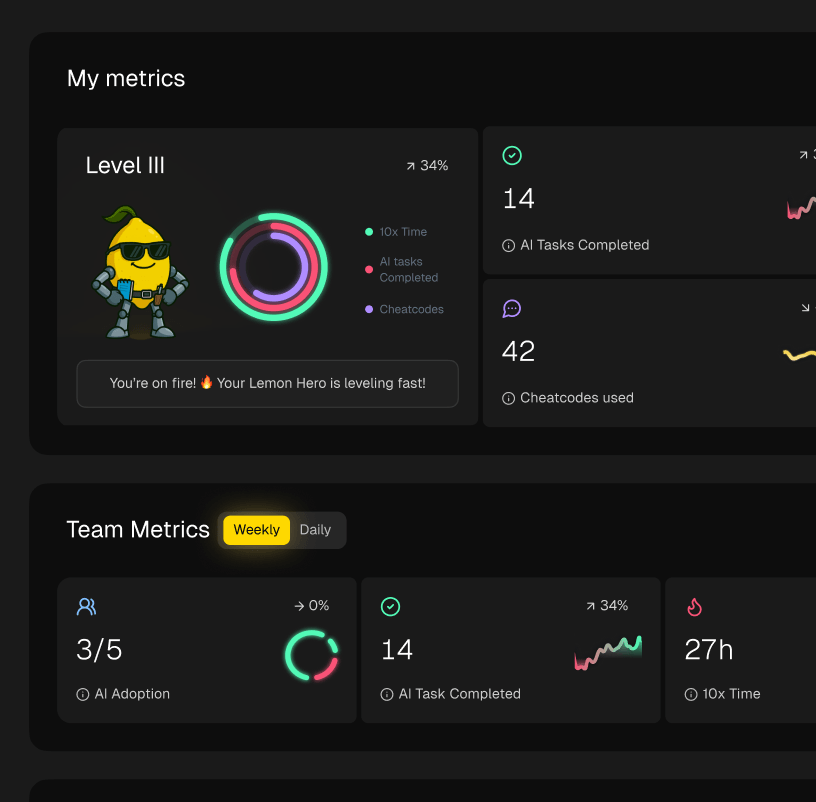
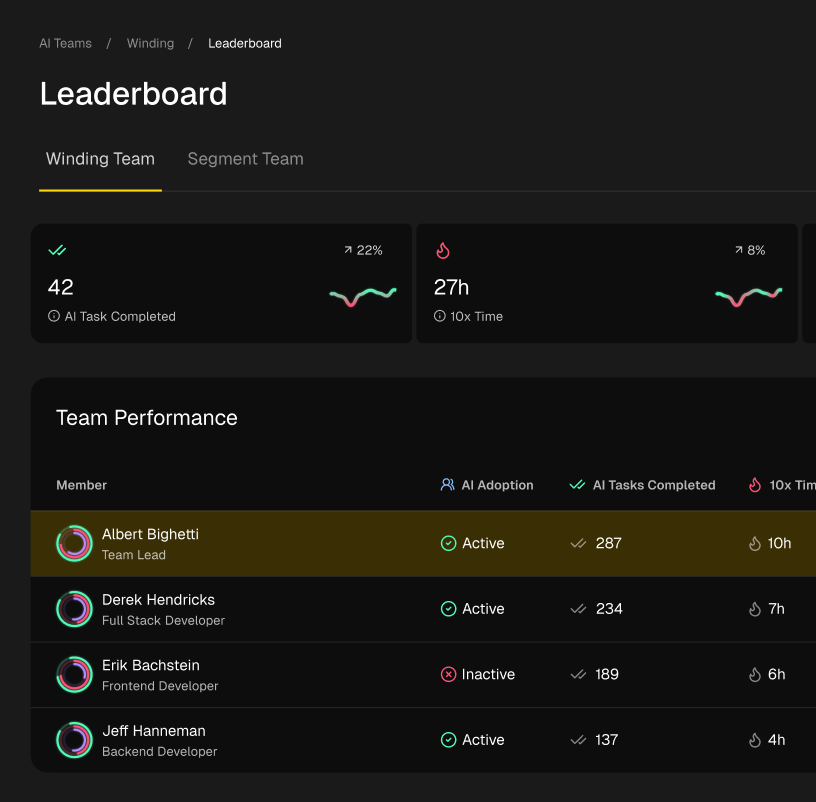
- Leverage AI for Metrics: Use tools like Zest’s AI Metrics to automatically track review turnaround times and pull request sizes. This data can help you identify bottlenecks and pinpoint when oversized reviews are slowing down your team’s workflow.
- Automate Size Checks: Configure your version control system or CI pipeline with pre-review automation. Set up alerts or soft gates that flag pull requests exceeding a predefined line count, gently encouraging developers to split their work before requesting a review.
3. Separate Style Feedback from Substantive Review
A common pitfall in code reviews is getting bogged down in debates over stylistic preferences like spacing, comma placement, or line breaks. This type of feedback, while well-intentioned, consumes valuable time that could be spent on more critical issues. A key code review best practice is to separate these cosmetic discussions from substantive reviews of logic, architecture, and security.
The most effective way to achieve this separation is through automation. By delegating style enforcement to tools, you eliminate subjective nitpicking and ensure consistency without human effort. This allows reviewers to dedicate their cognitive energy to complex problems that demand human expertise, such as identifying potential race conditions or evaluating a design pattern’s scalability. This approach is standard in high-performing teams, using tools like Go’s gofmt or Python’s Black formatter to standardize code before it ever reaches a human reviewer.
Why It Works
Automating style checks makes the entire process more efficient and less contentious. It establishes a single, objective source of truth for code formatting, which prevents arguments and reduces friction between team members. When code is automatically formatted on commit, every pull request arrives in a clean, predictable state. This allows reviewers to immediately focus on the substance of the changes, leading to faster, higher-quality feedback.
Actionable Implementation Tips
- Integrate Formatters Pre-Commit: Use tools like Prettier, ESLint, Black, or Flake8 in pre-commit hooks. This ensures code is formatted before it’s even pushed, preventing style issues from ever entering the review pipeline.
- Document What’s Automated: Clearly define in your team’s contribution guidelines which style rules are handled by automation. This helps reviewers understand they should not comment on these aspects, focusing their efforts elsewhere.
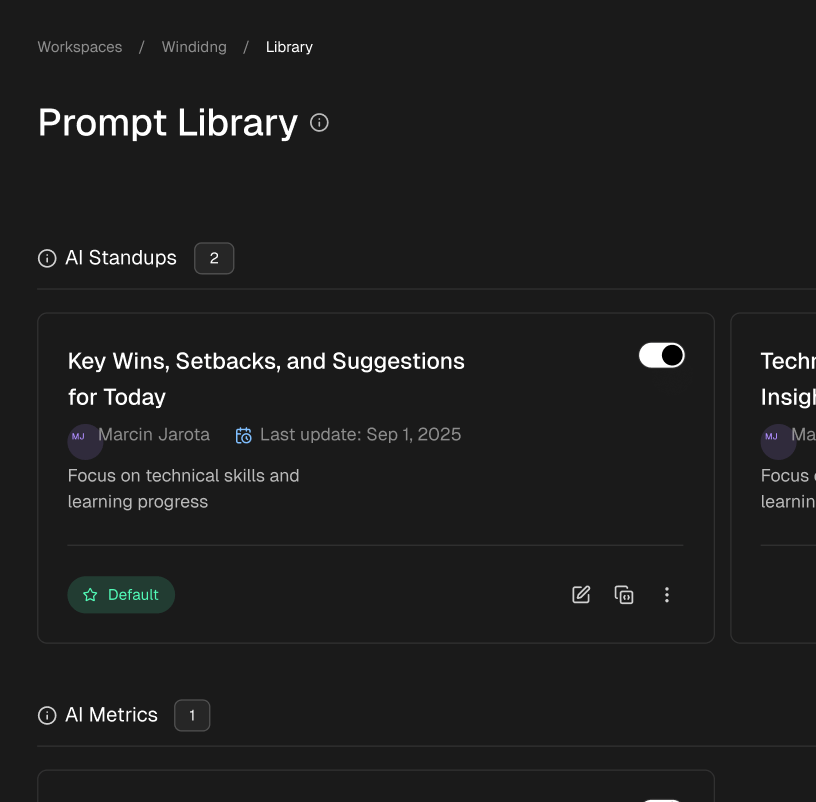
- Handle AI-Generated Code Styles: When using AI assistants, their output may not align with your team’s style guides. Use tools like Zest to create AI Hints that automatically flag and correct common AI-generated style deviations, keeping the codebase consistent without manual intervention.
4. Implement Timely Review Feedback
A code review best practice that directly impacts team velocity is implementing timely feedback. A pull request that sits idle for days becomes a significant bottleneck, creating context-switching costs for the author, increasing the risk of merge conflicts, and fostering developer frustration. The goal is to make the review process a fast, interactive loop rather than a slow, asynchronous handoff.
This principle transforms the review from a roadblock into a flow-state accelerator. Instead of developers moving on to other tasks and losing critical context while waiting, they receive feedback while the code is still fresh in their minds. Companies like GitHub are known for their internal goal of providing feedback within a business day, and Netflix has built dashboards to manage review queues, ensuring nothing gets stale and progress is never blocked for long.
Why It Works
Swift feedback keeps developer momentum high and reduces the cycle time from commit to merge. When reviews are fast, the author can quickly iterate on suggestions, leading to a more efficient and collaborative process. This speed minimizes the “wait state,” where developers are stuck between tasks, and ensures the entire team’s work flows smoothly through the development pipeline, preventing a cascade of delays.
Actionable Implementation Tips
- Set Clear Expectations: Establish a team-wide service-level agreement (SLA) for first-response time on reviews, such as four business hours. This creates a predictable and reliable feedback cadence.
- Block Dedicated Review Time: Encourage developers to schedule specific blocks of time in their calendars for code reviews. Treating it as a planned activity rather than an interrupt-driven task ensures it gets done without disrupting deep work.
- Automate Reminders: Configure your version control system (like GitHub or GitLab) or chat tools (like Slack) to automatically notify reviewers of pending requests. Gentle nudges can prevent reviews from falling through the cracks during a busy day.
5. Foster Psychological Safety and Constructive Feedback
Technical skills are only half the equation; the most effective code review process is built on a foundation of psychological safety. This means creating an environment where feedback is seen as a tool for collaborative improvement, not personal criticism. When developers feel safe, they can receive suggestions without defensiveness and ask questions without fear of judgment, transforming a potentially stressful interaction into a valuable learning opportunity.
This cultural shift is a powerful, yet often overlooked, code review best practice. Google famously codifies this with its “be kind” principle in code review guidelines, emphasizing respect and empathy. Similarly, Etsy’s engineering culture focuses on blameless collaboration, ensuring that reviews strengthen both the code and the team relationships behind it. When done right, this approach reduces developer anxiety and dramatically increases code quality.
Why It Works
A culture of psychological safety encourages vulnerability and open communication. Authors are more likely to submit work-in-progress for early feedback, catching potential issues sooner. Reviewers feel empowered to provide thoughtful, constructive criticism, knowing it will be received as an act of teamwork. This positive feedback loop accelerates learning, boosts morale, and results in a more resilient and innovative engineering team.
Actionable Implementation Tips
- Frame Feedback Constructively: Instead of saying, “This is wrong,” try phrasing it as, “Have you considered this alternative approach? It might prevent X.” Always explain the “why” behind your suggestion to make it a teaching moment.
- Model the Right Behavior: Senior engineers should lead by example, demonstrating how to give and receive feedback with grace and humility. This sets the standard for the entire team and makes it the norm.
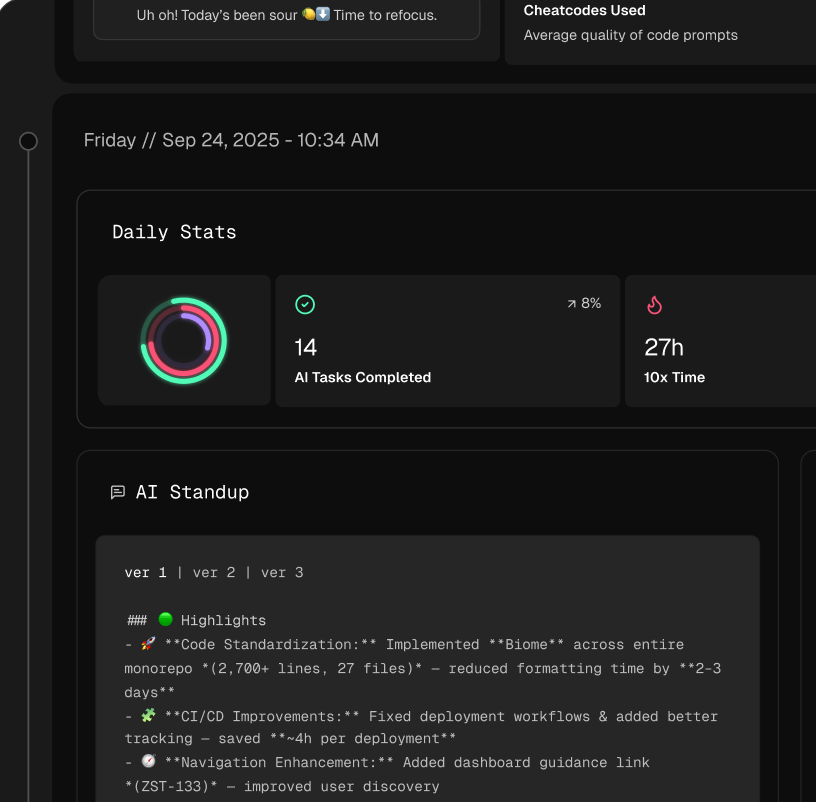
- Celebrate Learning Moments: Use team meetings or AI standups to highlight instances where a code review led to a significant improvement or a valuable lesson. This reinforces the positive impact of the process and encourages active participation.
6. Leverage Automated Code Analysis and Testing
The most effective code review best practice is to let machines handle what they do best: repetitive, rule-based checks. By leveraging automated code analysis and testing, teams can systematically catch bugs, enforce style conventions, and scan for security vulnerabilities before a human reviewer ever sees the code. This foundational layer of quality control ensures every submission meets a minimum standard of excellence.
This automation acts as a gatekeeper, freeing up developers to focus on higher-level concerns like architectural soundness, business logic, and user experience. Platforms like GitLab, GitHub Actions, and Bitbucket Pipelines integrate these checks directly into the pull request workflow. This creates a powerful, immediate feedback loop that offloads the most tedious aspects of review, letting human expertise shine where it truly matters. You can learn more about how to set up one of the most powerful automated checks with our guide on what is static code analysis.
Why It Works
Automation removes human error and bias from initial quality checks. It provides objective, consistent, and fast feedback, allowing authors to fix simple issues independently. This reduces the back-and-forth between reviewer and author, shortens the review cycle, and ultimately allows teams to ship more reliable code faster. When reviewers know that basic tests and style checks have already passed, they can engage with the code’s substance immediately.
Actionable Implementation Tips
- Make Checks Mandatory: Configure your CI/CD pipeline to block pull request merges if any automated checks fail. This transforms automation from a suggestion into a non-negotiable quality gate.
- Integrate Security Scanning: Use tools like SonarQube or Snyk to automatically scan for common vulnerabilities (e.g., dependency issues, insecure code patterns) as part of every code submission.
- Track Failure Patterns: Monitor why automated checks fail. If a particular linting rule or test is consistently causing issues, it may indicate a need for better team-wide training or clearer AI prompting guidelines.
7. Document Decisions and Create Institutional Knowledge
A code review is more than just a quality gate; it’s a moment of knowledge creation where key architectural and logical decisions are made. A critical code review best practice is to capture this reasoning, transforming temporary conversations into permanent institutional knowledge. Instead of letting valuable context vanish after a pull request is merged, documenting the “why” behind a change creates a living history of your codebase.
This practice prevents future developers from questioning past choices or re-litigating settled debates. When someone encounters a complex piece of code six months later, they can access the original discussion and understand the trade-offs that were considered. Companies like Amazon build their entire engineering culture around written communication, ensuring that decisions are well-reasoned and accessible long after the original authors have moved on.
Why It Works
Documenting review decisions builds a searchable, contextual database that serves as an invaluable onboarding and training tool. It reduces repetitive questions and ensures consistency by making past precedents clear and easy to find. This process turns individual insights from a review into a shared asset, empowering the entire team to make more informed decisions and avoid repeating past mistakes. The result is a more resilient and understandable codebase.
Actionable Implementation Tips
- Link to ADRs: For significant changes that surface during a review, formalize the outcome in an Architecture Decision Record (ADR) and link it directly from the pull request comments for permanent context.
- Use PR Templates: Enforce documentation by adding a mandatory “Decisions Made” or “Reasoning” section to your pull request template. This prompts authors to summarize key discussions before merging. To ensure that the insights and decisions from code reviews are effectively captured and retained, exploring various software documentation tools can be highly beneficial.
- Create a Searchable Library: Centralize important review outcomes in a tool like Confluence or Notion. Tag decisions by feature, team, or technology to make them easily discoverable. Learn more about effective code documentation best practices to get started.
8. Balance Reviewer Authority with Author Accountability
An effective code review process empowers reviewers to uphold standards without creating bottlenecks. Balancing reviewer authority with author accountability means establishing clear rules for who can approve changes and when a developer can merge their code, even with outstanding feedback. This prevents a single dissenting opinion from blocking progress indefinitely while ensuring critical quality gates are respected.
This practice creates a structured system of checks and balances. Instead of relying on informal consensus, the team defines explicit approval requirements. For instance, GitHub’s CODEOWNERS file automatically assigns reviewers, while GitLab’s protected branches can enforce a specific number of approvals before merging. This approach maintains high standards and provides a clear path forward for every change, ensuring accountability for both reviewers and authors.
Why It Works
This model clarifies ownership and prevents review cycles from stalling. By defining who has the final say, it reduces ambiguity and conflict. It also empowers authors by giving them a defined process to override non-critical feedback, fostering a sense of responsibility for their code’s quality. This structured accountability is a key code review best practice for scaling teams where not everyone can review every line of code.
Actionable Implementation Tips
- Use Protected Branches and Rules: Configure your version control system (like GitHub or GitLab) to require a minimum number of approvals from designated reviewers or code owners before a merge is allowed.
- Document Override Procedures: Create a clear, documented process for when and how an author can merge with unaddressed feedback. This should require a written justification to maintain accountability and create learning opportunities from outliers.
- Establish Mentorship Paths: Identify senior developers as key reviewers and create a formal path for junior members to gain review authority. This distributes knowledge and prevents dependency on a few key individuals.
9. Conduct Architecture and Design Reviews Separately
A common code review anti-pattern is attempting to solve high-level architectural problems within a low-level implementation review. This is inefficient and often too late. A key code review best practice is to separate these concerns entirely, creating distinct forums for architectural decisions and code implementation feedback. High-level structure should be agreed upon before a single line of implementation code is written.
This approach prevents pull requests from ballooning into fundamental debates about system design. Instead, the code review can focus squarely on what it’s best for: ensuring the implementation correctly and efficiently executes the pre-approved design. This model is formalized in processes like the RFC (Request for Comments) used by the Rust project or the detailed design documents required at Google and Stripe, which secure buy-in on the “what” and “why” before development starts.
Why It Works
Separating these reviews de-risks development. Major design flaws are caught early, saving countless hours that would be wasted building on a weak foundation. It aligns stakeholders on the architectural direction first, turning the subsequent code review into a focused validation of that plan. This clarity empowers developers to build with confidence and allows reviewers to provide more targeted, effective feedback on logic, style, and correctness.
Actionable Implementation Tips
- Create Design Doc Templates: Standardize your design review process by creating templates. Include sections for the problem statement, proposed solution, alternative designs considered, and potential trade-offs. Tailor them to your specific tech stack and project needs.
- Use an ADR Process: Implement an Architecture Decision Record (ADR) system, a lightweight method for documenting key architectural choices and their context. This creates a historical log that informs future design discussions and onboarding.
- Track Architectural Patterns: When code reviews do uncover architectural issues, don’t just fix them. Use a tool like Zest to capture these findings as design “cheatcodes.” This helps track recurring anti-patterns and improves the quality of initial designs over time.
10. Measure and Continuously Improve Review Process
A code review best practice that separates good teams from great ones is the commitment to data-driven improvement. Instead of relying on gut feelings, you should measure your process to find bottlenecks and validate changes. Tracking key metrics transforms process improvement from an opinion-based debate into an evidence-based exercise, ensuring your efforts lead to real gains in quality and velocity.
This systematic approach allows you to pinpoint exactly where friction exists. Are reviews taking too long? Is a high number of comments concentrated on a specific module? By analyzing data from tools like GitHub Insights or GitLab’s Merge Request analytics, teams can make targeted adjustments. The goal is to create a feedback loop where you measure, adjust, and then measure again to confirm the impact of your changes.
Why It Works
Measuring your code review process provides objective proof of what’s working and what isn’t. It removes emotional bias and focuses the team on tangible outcomes like faster cycle times and lower defect rates. This quantitative insight is crucial for justifying process changes and demonstrating their value. It also helps in understanding and optimizing the impact of AI-assisted coding on your review workload and overall efficiency.
Actionable Implementation Tips
- Focus on Outcome Metrics: Prioritize metrics that reflect true engineering health, like cycle time and change failure rate. For a deeper dive, explore how to get started with DORA metrics. Avoid vanity metrics like lines of code or number of comments, which can be easily gamed.
- Share Data Transparently: Make dashboards visible to the entire team. Transparency builds trust and empowers everyone to contribute to process improvements. Use the data to celebrate wins and collaboratively solve problems, not to micromanage individuals.
- Establish a Review Cadence: Schedule a regular time, perhaps monthly or quarterly, to analyze the metrics as a team. Use this meeting to discuss trends, identify potential experiments to run, and decide on one or two specific process adjustments to implement before the next review.
10-Point Code Review Best Practices Comparison
| Practice | 🔄 Implementation Complexity | ⚡ Resource Requirements | ⭐📊 Expected Outcomes | 💡 Ideal Use Cases | ⭐ Key Advantages |
|---|---|---|---|---|---|
| Establish Clear Code Review Standards and Checklists | Medium — initial documentation and upkeep | Low–Medium — time to write standards, some CI automation | ⭐⭐⭐ Consistent reviews; fewer subjective comments; faster decisions | Scaling teams, onboarding juniors, multi-repo orgs | Consistency; objective criteria; async-friendly |
| Keep Reviews Small and Focused | Low — enforce size/scope rules | Low — developer discipline, minor CI support | ⭐⭐⭐ Faster turnaround; higher defect detection; fewer merge conflicts | High-velocity teams, distributed contributors, frequent PRs | Faster reviews; improved focus; easier reverts |
| Separate Style Feedback from Substantive Review | Medium — automation setup and rules | Medium — linters/formatters, pre-commit hooks, CI | ⭐⭐ Human reviewers focus on logic/architecture; fewer style debates | Codebases with style inconsistency or many contributors | Removes style noise; speeds human review |
| Implement Timely Review Feedback | Medium — SLA and scheduling processes | Medium–High — reviewer availability, rotations, notifications | ⭐⭐ Maintains momentum; reduces merge conflicts; faster delivery | Time-sensitive projects, rapid delivery cycles | Preserves context; improves throughput |
| Foster Psychological Safety and Constructive Feedback | High — cultural change and leadership modeling | Medium — training, ongoing coaching, examples | ⭐⭐ Improved knowledge sharing; better morale and adoption of feedback | Teams needing mentorship, high turnover, distributed teams | Encourages learning; reduces defensiveness |
| Leverage Automated Code Analysis and Testing | High — toolchain and test-suite investment | High — CI/CD infrastructure, scanners, test maintenance | ⭐⭐⭐ Catches regressions early; objective quality gates; reduced reviewer burden | Large or security-critical systems, regulated environments | Scalable quality checks; fast objective feedback |
| Document Decisions and Create Institutional Knowledge | Medium — templates and disciplined capture | Medium — documentation tools, time to write and link PRs | ⭐⭐ Faster onboarding; fewer repeated debates; clearer context | Long-lived projects, cross-team work, complex architectures | Preserves rationale; improves future reviews |
| Balance Reviewer Authority with Author Accountability | Medium — policy definitions and workflows | Low–Medium — CODEOWNERS, approval rules, training | ⭐⭐ Reduces single-point bottlenecks; clearer ownership | Large orgs, multiple domains, teams needing gated approvals | Scalable approvals; clear ownership and accountability |
| Conduct Architecture and Design Reviews Separately | Medium–High — added phase and stakeholder coordination | Medium — design docs, review meetings, ADRs | ⭐⭐ Prevents late rework; lets code review focus on implementation | Significant features, platform changes, cross-team systems | Early alignment; reduces redesign during implementation |
| Measure and Continuously Improve Review Process | Medium — metrics infra and analysis cadence | Medium — dashboards, data collection, periodic reviews | ⭐⭐ Data-driven optimizations; identifies real bottlenecks | Organizations optimizing throughput and quality | Evidence-based changes; trend visibility |
Ship with Confidence: Your Path to Elite Code Reviews
Mastering the art of code review isn’t about finding every tiny flaw; it’s about building a resilient, collaborative, and high-velocity engineering culture. The journey from a basic review process to an elite one is built on the principles we’ve explored. It begins with establishing a strong foundation through clear standards and checklists, ensuring everyone on the team understands what “good” looks like.
This foundation allows you to focus on the flow of work. By keeping reviews small and focused, you make them more manageable for reviewers and drastically reduce the time from commit to merge. This speed is further enhanced when you separate style feedback from substantive review, letting automated tools handle the nitpicking so human brainpower can be reserved for complex logic, architectural integrity, and potential bugs. This single change is often the fastest way to reduce friction and improve reviewer morale.
From Process to Culture
A truly effective code review best practice transcends mere process and becomes ingrained in your team’s culture. This cultural shift is driven by two key elements: psychological safety and institutional knowledge. When developers feel safe to ask questions and receive constructive, non-judgmental feedback, reviews transform from a gatekeeping exercise into a powerful mentorship opportunity.
Every comment, decision, and resolution becomes a learning moment. By intentionally documenting key decisions made during the review, you create a living repository of your team’s evolving standards and architectural reasoning. This prevents repetitive debates in future pull requests and helps new team members get up to speed quickly. It’s about building a system where knowledge is shared and compounded over time, not lost after a pull request is merged. For further insights into optimizing your review process for speed and quality, consider these 10 Best Practices for Code Review to Ship Faster.
Your Next Steps: Iterate and Improve
Adopting these practices is not an overnight transformation. The key is to start small and iterate.
- Pick one or two practices to implement this month. Perhaps you can start by defining a clear checklist or setting a team-wide goal for review turnaround time.
- Measure your progress. You cannot improve what you do not measure. Track metrics like review cycle time and the number of comments per review to see what’s working.
- Gather feedback from your team. Regularly ask what parts of the process are causing friction and what could be improved. A great code review process is one that your team actively supports and helps refine.
Ultimately, investing in a world-class code review process is an investment in your people and your product. It leads to higher-quality software, faster development cycles, and a more engaged, knowledgeable engineering team. You build a system where quality is a shared responsibility, empowering every developer to not only contribute code but to ship with unwavering confidence.
Ready to stop guessing and start measuring your code review process? Zest provides the visibility you need, turning qualitative feedback into actionable data. See how your team’s review cycle times, PR sizes, and feedback quality stack up against these best practices by trying Zest today.
Upgrade Your Code Reviews
Transform your code review process into a high-velocity feedback loop for continuous improvement and cultural growth.
📊 Core Metrics
- Review Cycle Time — Time from PR open to merge, aiming for hours not days.
- Defects Caught Pre-Merge — Number of critical bugs found and fixed during review.
- Lines of Code per Review — Keeping changes focused and ideally under the 400-line threshold.
🕹️ My Cheatcodes
- 🌱 Small PRs, Big Wins — Break down work to ensure thorough and rapid feedback.
- 🤖 Automate Everything Possible — Let linters handle style so humans can focus on logic.
- 💬 Feedback, Not Criticism — Frame comments constructively to foster learning and trust.
✅ Before Merging
- 🔍 Verify all automated checks have passed.
- 🗣️ Ensure all substantive comments are fully resolved.
- 📚 Confirm the PR description clearly states intent and context.
- 💡 Document any new patterns or decisions for the team.
Gallery
Lemon shots