Top Challenges in Engineering 2025 and How to Overcome Them

The engineering landscape is evolving faster than ever. While the core principles of problem-solving remain, the nature of the problems themselves has grown more complex, interconnected, and demanding. From integrating sustainable practices to managing the relentless pace of AI-driven development, today’s engineers face a unique set of challenges. These modern hurdles require more than just technical skill; they demand adaptability, strategic thinking, and a new toolkit for navigating complexity.
This article breaks down the 10 most critical challenges in engineering right now. We move beyond theory to provide practical, actionable strategies you can implement immediately. For each challenge, you’ll find specific tactics and real-world examples designed to turn these obstacles into opportunities for innovation and growth.
For instance, when dealing with project complexity, you need clear, verifiable checklists. Here’s a prompt you can use to confirm a deployment is done right:
✅ Prompt
“Checklist: confirm my Astro site is deployed on Cloudflare Workers with best-in-class performance, SEO, and DX. Verify adapter, asset storage, caching, hydration, and SSR/SSG choices. Give me a clear yes/no on each item and point out fixes if something’s missing.”
📝 Example Response
Astro on Cloudflare Workers — Deployment Checklist
- Adapter → Using
@astrojs/cloudflareor@astrojs/cloudflare/worker? → ✅ Yes - Static vs SSR → Static pages prebuilt + only SSR where required (API, auth, etc.) → ✅ Yes
- Cold start avoidance → Worker bundle < 1MB, no heavy deps → ✅ Yes
- Assets → Offloaded to R2 / Cloudflare Images, not bundled in Worker → ❌ No → Fix: move images to R2 and rewrite URLs
- Caching → Edge cache headers set (
Cache-Control,stale-while-revalidate) → ✅ Yes - SEO → Title/meta tags verified, hreflang (if multilingual), robots.txt and sitemap.xml generated → ✅ Yes
- Core Web Vitals → Partial hydration configured, Lighthouse score >90 → ✅ Yes
- Global Edge → Tested from multiple PoPs (US/EU/Asia) for <100ms TTFB → ✅ Yes
- Limits → Worker within 30ms CPU budget, script <10MB → ✅ Yes
- Monitoring → Wrangler tail + Analytics enabled → ✅ Yes
Result: 9/10 checks passed. Only asset storage needs fixing.
Get ready to explore the solutions that define modern engineering excellence.
1. Rapid Technological Advancement and Obsolescence
One of the most persistent challenges in engineering is the relentless pace of technological change. Tools, frameworks, and even entire architectural paradigms can become outdated in just a few years. This forces engineers to constantly learn and adapt, a task made more difficult by the need to maintain legacy systems that still provide critical business value. The transition from monolithic to microservices architecture, for example, required teams to master new concepts like containerization and service discovery while ensuring older systems remained operational.
This rapid cycle of innovation and obsolescence often leads to significant technical debt if not managed proactively. Teams can find themselves supporting outdated codebases that are difficult and expensive to update, hindering their ability to deliver new features.
Practical Steps to Stay Current
- Modular Architecture: Design systems with modularity in mind. Instead of a rigid, monolithic structure, build components that can be individually updated or replaced. This isolates the impact of technological shifts.
- Time-Boxed Learning: Dedicate a specific, recurring block of time for professional development. Even two hours every Friday for exploring new libraries or reading documentation can prevent skills from stagnating.
- Fundamental Principles: Focus on learning core engineering principles like data structures, algorithms, and system design. These fundamentals remain relevant even as specific technologies change.
- Automate to Adapt: Implement robust CI/CD pipelines. Automation makes it easier and less risky to integrate new technologies, update dependencies, and refactor code, helping to reduce technical debt before it accumulates.
For developers, a practical way to manage this is by using checklists to validate new technology adoption. Here’s a prompt you can use with an AI assistant to ensure a modern tech stack is implemented correctly:
✅ Prompt
“Checklist: confirm my Astro site is deployed on Cloudflare Workers with best-in-class performance, SEO, and DX. Verify adapter, asset storage, caching, hydration, and SSR/SSG choices. Give me a clear yes/no on each item and point out fixes if something’s missing.”
📝 Example Response
Astro on Cloudflare Workers — Deployment Checklist
- Adapter → Using
@astrojs/cloudflareor@astrojs/cloudflare/worker? → ✅ Yes - Static vs SSR → Static pages prebuilt + only SSR where required (API, auth, etc.) → ✅ Yes
- Cold start avoidance → Worker bundle < 1MB, no heavy deps → ✅ Yes
- Assets → Offloaded to R2 / Cloudflare Images, not bundled in Worker → ❌ No → Fix: move images to R2 and rewrite URLs
- Caching → Edge cache headers set (
Cache-Control,stale-while-revalidate) → ✅ Yes - SEO → Title/meta tags verified, hreflang (if multilingual), robots.txt and sitemap.xml generated → ✅ Yes
- Core Web Vitals → Partial hydration configured, Lighthouse score >90 → ✅ Yes
- Global Edge → Tested from multiple PoPs (US/EU/Asia) for <100ms TTFB → ✅ Yes
- Limits → Worker within 30ms CPU budget, script <10MB → ✅ Yes
- Monitoring → Wrangler tail + Analytics enabled → ✅ Yes
Result: 9/10 checks passed. Only asset storage needs fixing.
2. Managing Complexity in Large-Scale Systems
As systems grow in scale and scope, managing their complexity becomes one of the most significant challenges in engineering. What begins as a simple application can evolve into a sprawling ecosystem of interconnected services, databases, and APIs. This growth introduces non-linear increases in communication overhead, potential points of failure, and cognitive load for the engineers who must maintain and extend it.
For instance, scaling a monolithic application to handle millions of users often reveals bottlenecks that necessitate a shift to a microservices architecture. This move, while solving scalability issues, introduces new complexities like service discovery, distributed tracing, and data consistency across services. Without careful architectural planning, teams can find themselves in a distributed monolith, which combines the disadvantages of both worlds.
Practical Steps to Manage Complexity
- Domain-Driven Design (DDD): Organize your system around business domains. This approach aligns code structure with business logic, creating clear boundaries and reducing cognitive load. Each team can own a specific domain, fostering expertise and accountability.
- Decentralize Decision-Making: Empower individual teams to make architectural and technological choices for their specific services. This autonomy speeds up development but requires clear “guardrails” or platform standards to prevent chaos.
- Invest in Observability: Implement comprehensive logging, metrics, and tracing. In a complex system, understanding “why” something is broken is more valuable than just knowing “that” it is broken. Tools like OpenTelemetry can provide a unified view.
- Standardize APIs and Communication: Define clear contracts for how services interact. Using technologies like GraphQL or establishing a consistent RESTful API convention prevents integration nightmares and makes the system easier to reason about.
For engineers building these complex systems, ensuring each component is robust and well-documented is critical. An AI assistant can help enforce these standards by generating documentation based on code.
✅ Prompt
“Generate OpenAPI (v3) documentation for my Python FastAPI user service. The service has the following endpoints: GET /users/{user_id}, POST /users, and PUT /users/{user_id}. Include schema definitions for the User model (id, name, email) and for request bodies. Add descriptions and example responses for each endpoint.”
📝 Example Response
OpenAPI 3.0 Specification for User Service
openapi: 3.0.0 info: title: User Service API version: 1.0.0 description: API for managing user resources. paths: /users: post: summary: Create a new user requestBody: required: true content: application/json: schema: $ref: ‘#/components/schemas/UserCreate’ responses: ‘201’: description: User created successfully content: application/json: schema: $ref: ‘#/components/schemas/User’ /users/{user_id}: get: summary: Get user by ID parameters: - name: user_id in: path required: true schema: type: integer responses: ‘200’: description: Successful response content: application/json: schema: $ref: ‘#/components/schemas/User’ components: schemas: User: type: object properties: id: type: integer example: 101 name: type: string example: ‘Jane Doe’ email: type: string format: email example: ‘jane.doe@example.com’ UserCreate: type: object properties: name: type: string email: type: string
Result: A complete and valid OpenAPI spec is generated, ready for integration into API gateways or client generation tools.
3. Interdisciplinary Collaboration and Communication
Modern engineering projects are rarely confined to a single discipline. Success often hinges on effective collaboration between mechanical, electrical, software, and systems engineers, all while communicating complex ideas to non-technical stakeholders. This is one of the most significant challenges in engineering, as it requires bridging gaps in language, priorities, and perspectives. Projects like the SpaceX Starship, for example, depend on aerospace, materials, software, and manufacturing teams working in perfect sync.

When this synergy breaks down, it leads to integration failures, costly rework, and project delays. Misaligned teams can develop components that are incompatible or fail to meet the holistic needs of the product, turning what should be a straightforward integration into a complex debugging exercise.
Practical Steps to Foster Collaboration
- Establish a Shared Language: Create a central glossary or wiki that defines key terms, acronyms, and project goals. This ensures everyone from a civil engineer to a software developer is using a common vocabulary.
- Visualize Complexity: Use diagrams, prototypes, and models to explain technical concepts. A visual representation of a system’s architecture is often more effective than a lengthy document for a cross-functional audience.
- Unified Tooling: Invest in collaborative platforms like Jira, Confluence, or Miro that provide a single source of truth for project status, documentation, and decision-making, breaking down information silos.
- Structured Communication: Implement regular, structured cross-functional meetings with clear agendas and action items. This creates dedicated time for different disciplines to align and resolve dependencies.
An AI assistant can help enforce these communication standards. Here’s a prompt to generate a checklist for a cross-functional project kickoff, ensuring all teams are aligned from the start.
✅ Prompt
“Create a project kickoff checklist for a new medical device. The project involves hardware, firmware, and cloud software teams. The checklist should ensure alignment on requirements, timelines, dependencies, and communication protocols. Give a clear yes/no for each item and suggest fixes for any gaps.”
📝 Example Response
Medical Device Project Kickoff — Alignment Checklist
- Unified Requirements Doc → All teams have reviewed and signed off on the PRD? → ✅ Yes
- Cross-Team Dependencies Mapped → Hardware pinouts, firmware APIs, and cloud endpoints are defined and documented? → ❌ No → Fix: Schedule a workshop to map all interface dependencies between teams before sprint 1.
- Integrated Project Timeline → Master timeline exists with milestones for each team clearly marked? → ✅ Yes
- Communication Protocol → Agreed-upon channels (e.g., Slack for daily, Jira for tasks) and meeting cadence are set? → ✅ Yes
- Shared Glossary → Key technical and medical terms are defined in a central Confluence page? → ❌ No → Fix: Assign a lead from each team to contribute their top 10 terms to a shared glossary.
- Risk Register → Each team has identified and logged their top 3 risks in a shared register? → ✅ Yes
- Definition of Done → A unified DoD that includes integration testing has been agreed upon? → ✅ Yes
- Tooling Access → All team members have access to necessary repositories, databases, and design files? → ✅ Yes
Result: 6/8 checks passed. Key alignment on dependencies and shared language is missing and must be addressed immediately.
4. Cybersecurity and Data Protection
As engineering systems become increasingly connected and data-driven, protecting against cyber threats is a paramount challenge in engineering. Engineers must design secure systems from the ground up, implement robust encryption and authentication, manage vulnerabilities, and comply with data protection regulations. This must be accomplished without compromising system functionality or user experience. A failure, like the Target data breach originating from an HVAC system, shows how a seemingly minor vulnerability can lead to catastrophic consequences.

Neglecting security can result in devastating data breaches, financial loss, and erosion of customer trust. Proactive security measures are essential, integrating them into every phase of the development lifecycle rather than treating them as an afterthought.
Practical Steps for Secure Systems
- Defense-in-Depth: Implement multiple security layers (network, application, data) so that if one layer is breached, others are still in place to prevent a full compromise. This is a core principle for building resilient systems.
- Regular Audits: Conduct routine security audits, code scanning, and penetration testing to identify and remediate vulnerabilities before they can be exploited by attackers.
- Keep Dependencies Updated: Consistently patch and update all libraries, frameworks, and third-party systems. Many attacks, like the SolarWinds incident, exploit known vulnerabilities in the supply chain.
- Secure Code Reviews: Integrate security checks directly into the development workflow. Regular and thorough reviews help catch issues early, a practice detailed in our guide to improving secure code reviews.
For developers, using a checklist can ensure security best practices are not overlooked. Here is a prompt to verify the security posture of a new service.
✅ Prompt
“Generate a security checklist for a new public-facing REST API. Include authentication, authorization, input validation, data encryption, and logging. Provide a clear yes/no for each check and suggest fixes for any gaps.”
📝 Example Response
REST API Security Checklist
- Authentication → Implemented strong auth (OAuth 2.0 / JWT) for all endpoints? → ✅ Yes
- Authorization → Role-based access control (RBAC) enforced on all resources? → ✅ Yes
- Transport Encryption → TLS 1.2+ enforced sitewide? → ✅ Yes
- Input Validation → All incoming data (params, body, headers) validated against a strict schema? → ✅ Yes
- Output Encoding → All data sent to users properly encoded to prevent XSS? → ✅ Yes
- Rate Limiting → Brute-force and DoS protection enabled on sensitive endpoints? → ❌ No → Fix: Implement IP-based rate limiting on login and resource-intensive endpoints.
- Security Headers → CSP, HSTS, X-Content-Type-Options headers set? → ✅ Yes
- Vulnerability Scanning → API included in regular SAST/DAST scans? → ✅ Yes
- Secrets Management → No hardcoded secrets (API keys, passwords); using a vault? → ✅ Yes
- Audit Logging → Sensitive actions (login, data modification) logged with user context? → ❌ No → Fix: Add structured logging for all authenticated write operations.
Result: 8/10 checks passed. Rate limiting and audit logging must be implemented.
5. Budget Constraints and Cost Optimization
Engineers rarely have unlimited resources. A core challenge in engineering involves delivering high-quality, robust solutions within strict financial limitations. This requires a constant balancing act between performance, features, and cost-effectiveness. Teams must make strategic decisions about technology stacks, infrastructure, and development effort to avoid over-engineering while still meeting critical business objectives. The pressure to innovate on a budget, seen in examples like the Raspberry Pi delivering powerful computing for under $35, pushes engineers to find creative and efficient solutions.
Failing to manage costs can lead to project cancellations, reduced scope, or long-term operational expenses that cripple profitability. This challenge forces engineers to think not just as builders, but as business-minded strategists, justifying every architectural choice and its associated cost.
Practical Steps for Cost-Effective Engineering
- Prioritize Ruthlessly: Work with product managers to establish clear “must-have” versus “nice-to-have” features. This prevents scope creep and ensures development effort is focused on what truly delivers value.
- Embrace Open-Source: Leverage well-supported open-source software (OSS) to reduce licensing fees. However, always evaluate the total cost of ownership, including maintenance and support.
- Model and Track Costs: Don’t just estimate initial development costs. Build detailed models that include infrastructure, maintenance, and third-party service fees. Regularly track actual spending against these projections.
- Right-Size Infrastructure: Avoid over-provisioning. Use cloud services that allow for auto-scaling and pay-as-you-go pricing to match resource consumption directly with user demand.
A key part of cost optimization in modern software is choosing the right cloud infrastructure. An AI assistant can help validate your choices to ensure you aren’t overspending.
✅ Prompt
“Checklist: I’m planning to host a new web application on AWS. Provide a checklist to ensure I’m using a cost-effective setup for a moderate-traffic site. Focus on compute, storage, database, and networking choices. Give me a clear yes/no for each item and suggest fixes for common overspending pitfalls.”
📝 Example Response
AWS Cost-Effectiveness Checklist
- Compute → Using EC2 Spot Instances or Graviton-based instances for non-critical/batch workloads? → ❌ No → Fix: Migrate eligible workloads to Spot Instances for up to 90% savings or Graviton for a 40% price-performance benefit.
- Containerization → Using AWS Fargate instead of managing an EC2 cluster for simple workloads? → ✅ Yes
- Storage → S3 lifecycle policies configured to move old data to Glacier or Intelligent-Tiering? → ❌ No → Fix: Implement a lifecycle rule to transition objects to S3 Glacier Deep Archive after 90 days to reduce storage costs.
- Database → Using RDS Reserved Instances for predictable, long-term database needs? → ✅ Yes
- Data Transfer → Leveraging CloudFront CDN to serve assets and reduce costly egress traffic? → ✅ Yes
- Serverless → Using Lambda for event-driven, intermittent tasks instead of an always-on server? → ✅ Yes
- Monitoring → Cost allocation tags implemented for all resources to track spending by project/team? → ❌ No → Fix: Enforce a tagging policy across all new resources to gain visibility into your AWS bill.
- Right-Sizing → AWS Compute Optimizer or Trusted Advisor checks run to identify idle/underutilized resources? → ✅ Yes
Result: 5/8 checks passed. Key opportunities exist in optimizing compute and storage costs.
6. Regulatory Compliance and Safety Standards
Engineers must navigate a complex and evolving landscape of regulations that vary by industry and region. Ensuring compliance with bodies like the FDA or FAA is a non-negotiable challenge in engineering, requiring extensive documentation, rigorous testing, and auditable validation processes. The consequences of failure, as seen with the Boeing 737 MAX grounding, can be catastrophic, making this a critical design constraint from day one.
Treating these standards as afterthoughts leads to costly rework, project delays, and significant legal risk. Instead, successful engineering teams integrate compliance into their development lifecycle, viewing regulations not as obstacles but as a framework for building safer, more reliable products. This proactive approach ensures that innovation and safety are pursued in parallel.
Practical Steps for Proactive Compliance
- Integrate Early: Involve regulatory experts during the initial design and architecture phases. Their insights can prevent fundamental design flaws that would be difficult to fix later.
- Automate Documentation: Use tools to automatically generate and maintain compliance documentation from your codebase and design files. This ensures records are always up-to-date and reduces manual overhead.
- Compliance as Code: Define regulatory rules and policies as executable code. This allows you to run automated checks within your CI/CD pipeline, catching potential violations before they reach production.
- Immutable Audit Trails: Implement logging and version control systems that create a comprehensive and unchangeable record of every decision, test, and change throughout the project lifecycle.
For teams handling sensitive data, an AI assistant can quickly generate a checklist to ensure compliance with privacy regulations like GDPR or CCPA.
✅ Prompt
“Generate a checklist to verify my application’s compliance with GDPR and CCPA. Focus on user consent, data access rights, and data security. Provide a clear yes/no status for each item and suggest fixes for any gaps.”
📝 Example Response
GDPR & CCPA Compliance — Application Checklist
- Cookie Consent → Explicit, granular consent requested before placing non-essential cookies? → ✅ Yes
- Privacy Policy → Easily accessible and clearly explains data usage, user rights, and contact info? → ✅ Yes
- Data Access Portal → Users have a self-service way to view and download their personal data? → ✅ Yes
- Right to Be Forgotten → Automated process exists to permanently delete a user’s data upon request? → ❌ No → Fix: Implement a script to anonymize or delete user records across all databases and services.
- Data Breach Notification → Is there a documented procedure to notify users within 72 hours of a breach? → ✅ Yes
- Data Encryption → All PII is encrypted at rest (database) and in transit (TLS 1.2+)? → ✅ Yes
- Data Minimization → Are we only collecting data that is strictly necessary for functionality? → ✅ Yes
- 3rd-Party Audits → Do all third-party data processors have documented GDPR/CCPA compliance? → ✅ Yes
Result: 7/8 checks passed. The “Right to Be Forgotten” process needs to be automated.
7. Talent Shortage and Skills Gap
The engineering field faces a severe talent shortage, making recruitment and retention one of the biggest challenges in engineering today. Demand for specialized skills in areas like AI, renewable energy, and semiconductors far outstrips supply. This gap is widened by an aging workforce nearing retirement and an insufficient pipeline of new STEM graduates, forcing companies like Google and Apple into intense competition for qualified candidates.
This scarcity drives up costs and project timelines, as teams struggle to find the right expertise. Retaining talent becomes just as critical as recruiting, with a high turnover rate further disrupting development cycles and institutional knowledge.
Practical Steps to Build and Retain Talent
- Invest in Apprenticeships: Create structured internship and apprenticeship programs. These provide a pipeline of talent that is already familiar with your company’s culture, tools, and processes upon graduation.
- Prioritize Upskilling: Dedicate resources to continuous learning for your existing team. Offer access to courses, certifications, and workshops to help them master emerging technologies.
- Implement Knowledge Transfer: Before senior engineers retire, establish formal mentoring or documentation programs to transfer their critical knowledge to junior and mid-level team members.
- Foster an Inclusive Culture: Build a workplace where diverse talent feels valued and supported. Inclusivity is a powerful driver of retention and attracts a wider pool of candidates.
For engineering leaders, a key part of retaining talent is ensuring they have a clear career path. Here is a prompt to help you structure a development plan for a senior engineer.
✅ Prompt
“Create a 12-month career development plan for a Senior Software Engineer aiming for a Staff Engineer role. Focus on technical leadership, mentorship, and high-impact project delivery. Define clear goals, action items, and measurable outcomes for each quarter.”
📝 Example Response
Senior to Staff Engineer - 12-Month Development Plan
- Q1: Foundation & Mentorship → Goal: Deepen domain expertise. → ✅ Yes
- Action: Lead architectural design for one new feature. Mentor two junior engineers via weekly code reviews.
- Q2: Cross-Team Influence → Goal: Expand influence beyond the immediate team. → ✅ Yes
- Action: Present a technical deep-dive to the broader engineering org. Author a technical design doc for a cross-functional project.
- Q3: High-Impact Project → Goal: Lead a critical, high-visibility project. → ✅ Yes
- Action: Serve as the technical lead for the Q3 flagship project, responsible for delivery and cross-team coordination.
- Q4: Strategic Contribution → Goal: Contribute to long-term technical strategy. → ✅ Yes
- Action: Identify and propose a solution for a significant piece of technical debt. Contribute to the 2025 engineering roadmap.
Result: All 4 quarters have defined, actionable goals aligned with the Staff Engineer competency matrix.
8. Project Complexity and System Integration
Modern engineering projects often involve thousands of interconnected components, subsystems, and APIs. One of the most significant challenges in engineering is managing this complexity and ensuring seamless system integration. Projects like the Airbus A380, which involved partners across four countries, demonstrate that success depends on coordinating numerous teams and technologies while maintaining system-wide coherence. Failure to manage this can lead to cascading failures, budget overruns, and project delays.

This challenge is magnified in software, where microservices architectures require dozens of independent services to communicate flawlessly. A single misconfigured API or a change in one service can have unforeseen consequences across the entire application, making robust integration strategies non-negotiable.
Practical Steps for Managing Complexity
- Establish Clear Interfaces: Use Interface Control Documents (ICDs) or OpenAPI/Swagger specifications early in the project. These contracts define how components interact, preventing integration issues down the line.
- Incremental Integration: Avoid a “big-bang” approach where all components are integrated at the end. Instead, integrate and test components incrementally to identify and fix issues early and often.
- System-Level Perspective: Encourage teams to maintain a holistic view of the system, not just their individual components. Regular cross-team integration reviews and end-to-end testing are crucial.
- Automate Integration Testing: Implement automated integration tests within your CI/CD pipeline. This ensures that new changes do not break existing integrations and provides immediate feedback to developers.
For engineering teams, a practical way to manage this is by using checklists to validate that all system components are correctly configured and communicating. Here’s a prompt you can use with an AI assistant to create a microservices integration checklist:
✅ Prompt
“Create a pre-deployment checklist for a new microservice (order-service). It needs to integrate with an existing user-service (REST API) and payment-gateway (gRPC). Verify authentication, data contracts, error handling, and service discovery. Give me a clear yes/no for each check.”
📝 Example Response
Microservice Integration Checklist: order-service
- Authentication (
user-service) → Is a valid JWT being passed in theAuthorizationheader? → ✅ Yes - Data Contract (
user-service) → Does theorder-servicecorrectly handle theuser-profileresponse schema? → ✅ Yes - Authentication (
payment-gateway) → Is gRPC client using mTLS credentials? → ✅ Yes - Data Contract (
payment-gateway) → Are the correct Protobuf messages used forProcessPaymentRequest? → ❌ No → Fix: update to latest.protofile;amountfield is now astring, notint64. - Service Discovery → Is the service registered with Consul/Eureka? → ✅ Yes
- Error Handling (
user-service) → Does it gracefully handle404 Not Foundwhen a user ID is invalid? → ✅ Yes - Error Handling (
payment-gateway) → Does it have a retry mechanism forUNAVAILABLEgRPC status codes? → ✅ Yes - Configuration → Are upstream service URLs loaded from environment variables (not hardcoded)? → ✅ Yes
- Logging → Are correlation IDs passed in requests to both upstream services for distributed tracing? → ✅ Yes
- Health Checks → Does the
/healthendpoint verify connectivity to both upstream services? → ✅ Yes
Result: 9/10 checks passed. The gRPC data contract needs to be updated before deployment.
9. Ethical Considerations and Social Responsibility
Engineers wield significant power to shape society, creating technologies that can either uplift or harm communities. This places an immense burden of ethical responsibility on their shoulders, from ensuring user privacy in a data-driven world to mitigating algorithmic bias in AI systems. The Volkswagen emissions scandal, where engineers were complicit in deceiving regulators, and the ethical questions raised by Google’s involvement in Project Maven are stark reminders of the high stakes involved.
Navigating these challenges in engineering requires moving beyond purely technical solutions. Engineers must balance business objectives with societal impact, considering the unintended consequences of their work. This involves a proactive approach to identifying potential harms related to privacy, environmental impact, and dual-use technologies before they become widespread problems.
Practical Steps to Uphold Ethical Standards
- Conduct Ethical Impact Assessments: Before and during a project, formally assess its potential impact on different user groups, society, and the environment. Document potential harms and create mitigation plans.
- Establish Clear Reporting Channels: Create safe, anonymous channels for team members to raise ethical concerns without fear of retaliation. This encourages transparency and accountability.
- Prioritize Diverse Perspectives: Involve individuals from diverse backgrounds in the design and review process. This helps identify biases and blind spots that a homogenous team might miss.
- Document Ethical Decisions: Keep a record of ethical considerations and the rationale behind key decisions. This creates a transparent audit trail and reinforces a culture of responsible engineering.
Engineers can use AI to help formalize this process. The following prompt creates a checklist to ensure ethical considerations are integrated into the product development lifecycle.
✅ Prompt
“Generate a pre-launch ethics checklist for a new social media feature that uses an AI recommendation algorithm. Cover key areas like fairness, privacy, accountability, and transparency. Provide yes/no checks and recommended actions for any ‘no’ answers.”
📝 Example Response
AI Feature - Pre-Launch Ethics Checklist
- Fairness & Bias → Has the training data been audited for demographic bias? → ✅ Yes
- Fairness & Bias → Have algorithmic outcomes been tested for equitable performance across user groups? → ❌ No → Action: Conduct A/B testing with diverse user segments to measure and correct performance disparities.
- Transparency → Is it clearly explained to users how their data influences recommendations? → ✅ Yes
- Privacy → Does the feature use the minimum amount of personal data necessary (data minimization)? → ✅ Yes
- Privacy → Can users easily opt-out or delete their data associated with this feature? → ❌ No → Action: Implement a one-click data deletion option in the user’s privacy settings dashboard.
- Accountability → Is there a clear process for users to appeal or report harmful recommendations? → ✅ Yes
- Accountability → Is a human-in-the-loop designated to review flagged content? → ✅ Yes
- Societal Impact → Has the feature been assessed for potential to amplify misinformation or polarization? → ✅ Yes
Result: 6/8 checks passed. Fairness testing and data control require immediate action.
10. Time Pressure and Deadline Management
Engineering projects are often defined by intense pressure to deliver results faster without compromising quality. The constant drive for a shorter time-to-market, coupled with high stakeholder expectations, creates a challenging environment. Engineers must balance rapid development with the need for thorough testing and robust design, all while managing unexpected technical hurdles and making critical decisions with incomplete information. This dynamic is one of the most significant challenges in engineering, requiring precise planning and execution.

This pressure is evident in high-stakes industries. Consider SpaceX’s rapid Starship prototyping, which saw over twenty iterations in just three years, or the aggressive production targets at Tesla. These scenarios highlight the necessity of structured approaches to prevent burnout and ensure deadlines are met without sacrificing the integrity of the final product.
Practical Steps to Manage Deadlines
- Identify the Critical Path: Use methods like the Critical Path Method (CPM) to identify tasks that directly impact the project timeline. This ensures focus remains on the most crucial activities.
- Break Down Large Projects: Decompose large initiatives into smaller, manageable milestones. This makes progress feel more attainable and allows for more accurate time estimates. Learn how effective sprint planning in agile development can create a sustainable pace.
- Automate Repetitive Work: Implement automation for tasks like testing, deployment, and code linting. This frees up valuable engineering time to focus on complex problem-solving.
- Communicate Risks Proactively: Keep stakeholders informed about potential delays and risks as soon as they arise. Early communication allows for collaborative problem-solving and timeline adjustments.
For engineering leads, a key part of managing time is ensuring the team isn’t blocked. An AI assistant can quickly generate scripts or checklists to unblock common tasks, like setting up a new CI/CD pipeline.
✅ Prompt
“Generate a prioritized checklist of tasks for setting up a CI/CD pipeline for a new Node.js service on GitHub Actions. Include steps for linting, testing, and Docker image creation. Focus on getting a minimum viable pipeline running first, then add optional enhancements.”
📝 Example Response
CI/CD Pipeline Setup for Node.js Service - Task Checklist
- Repo Setup → Create
.github/workflows/main.ymlin the project root → ✅ Yes - Trigger → Configure workflow to run on push to
mainbranch → ✅ Yes - Job Environment → Define a single job running on
ubuntu-latest→ ✅ Yes - Checkout → Add
actions/checkout@v3to access repo code → ✅ Yes - Node.js Setup → Use
actions/setup-node@v3to specify Node version (e.g., 18.x) → ✅ Yes - Install Dependencies → Run
npm cifor a clean install → ✅ Yes - Linting → Run
npm run lintto check code style → ✅ Yes - Testing → Run
npm testto execute unit and integration tests → ✅ Yes - Docker Login → Use
docker/login-actionwith repo secrets for registry access → ❌ No → Fix: AddDOCKERHUB_USERNAMEandDOCKERHUB_TOKENto GitHub secrets. - Build & Push Image → Use
docker/build-push-actionto build and push the image → ✅ Yes
Result: 9/10 checks passed. The minimum viable pipeline is almost ready, just needs registry credentials configured.
Top 10 Engineering Challenges Comparison
| Challenge / Aspect | Implementation Complexity 🔄 | Resource Requirements ⚡ | Expected Outcomes 📊 | Ideal Use Cases 💡 | Key Advantages ⭐ |
|---|---|---|---|---|---|
| Sustainability and Environmental Impact | High due to regulatory and design trade-offs | High initial investment, need for sustainability expertise | Long-term cost savings, reduced environmental footprint | Projects aiming for eco-friendly design, regulatory compliance, brand enhancement | Energy efficiency, regulatory compliance, positive social impact |
| Rapid Technological Advancement and Obsolescence | High complexity managing fast changes | Continuous training, technology investments | Improved efficiency, automation, competitive edge | Fields with rapidly evolving tech (AI, IoT, cloud) | Cutting-edge tools, career growth, enhanced problem solving |
| Interdisciplinary Collaboration and Communication | Moderate to high, coordinating diverse teams | Significant time and communication tools | More innovative solutions, reduced blind spots | Large projects requiring multiple engineering disciplines | Comprehensive solutions, enhanced learning, better stakeholder management |
| Cybersecurity and Data Protection | High complexity integrating security layers | Specialized expertise, ongoing updates | Protected data, compliance, reduced breach risk | Connected systems, data-sensitive applications | Data security, customer trust, legal compliance |
| Budget Constraints and Cost Optimization | Moderate, balancing cost vs. performance | Focus on cost models, efficient resource use | Higher ROI, improved project viability | Projects with strict financial limits | Encourages innovation, waste reduction, business acumen |
| Regulatory Compliance and Safety Standards | High, navigating complex regulations | Compliance experts, documentation overhead | Reduced legal risk, safety assurance | Regulated industries (aerospace, medical devices, automotive) | Public safety, legal compliance, market access |
| Talent Shortage and Skills Gap | Moderate, requires workforce development strategies | Investment in training, recruitment | Staffing stability, skill alignment | Industries facing shortages in emerging tech | Job security, competitive salaries, career advancement |
| Project Complexity and System Integration | Very high, managing many components and teams | Heavy coordination, systems engineering tools | Sophisticated, modular systems with high capability | Large-scale, multi-disciplinary engineering projects | Enables complex systems, specialization, accelerated timelines |
| Ethical Considerations and Social Responsibility | Moderate, integrating ethics into processes | Time for impact assessments, stakeholder engagement | Increased public trust, minimized harm | Technologies with societal impact (AI, autonomous systems) | Builds trust, aligns with values, prevents negative impacts |
| Time Pressure and Deadline Management | Moderate, balancing speed and quality | Agile tools, focused team efforts | Faster delivery, competitive advantage | Fast-paced industries with tight deadlines | Improved efficiency, faster market entry, better focus |
Build Better, Faster, and Smarter
Navigating the modern landscape of engineering means confronting a diverse array of hurdles. From managing the immense pressures of rapid technological change and tight deadlines to ensuring sustainability and navigating complex regulatory environments, the challenges in engineering are both persistent and profound. As we’ve explored, these issues aren’t isolated problems to be solved one by one. They are interconnected threads in the complex fabric of modern development.
The most effective teams don’t just react to these challenges; they build systems to anticipate and overcome them. Success is no longer just about writing code. It’s about optimizing workflows, fostering seamless interdisciplinary communication, and ensuring every team member is empowered to contribute their best work without getting bogged down by project complexity or skills gaps. Mastering these operational aspects is what separates good engineering teams from great ones.
Your Actionable Next Steps
To turn these insights into practice, focus on building a more intelligent and transparent development cycle.
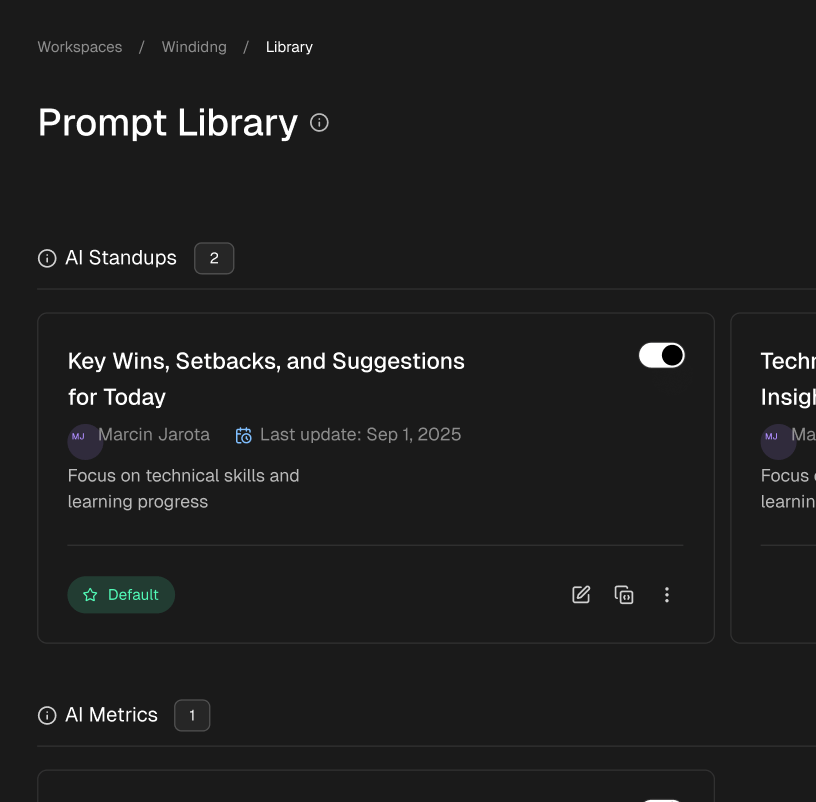
- Audit Your AI Workflow: Start by asking your team: “What’s the most repetitive task you used an AI assistant for this week?” Collect these answers to identify patterns. You can then build standardized prompts or “cheatcodes” for these common tasks to ensure consistency and quality across the board, turning individual cleverness into a shared team asset.
- Implement a “Checklist” Culture: For critical processes like deployments or security reviews, create standardized, reusable checklists. This simple habit drastically reduces human error and ensures compliance. Take the Astro on Cloudflare Workers checklist from our guide as a template. Adapt it for your own tech stack to verify that every deployment hits your standards for performance, security, and best practices.
- Create a Feedback Loop for Bottlenecks: Don’t wait for retrospectives to find out what’s slowing you down. Use daily check-ins or asynchronous updates to ask: “What’s one thing blocking you today?” This proactive approach helps you address issues with system integration, budget constraints, or communication gaps before they derail a sprint.
Embracing these habits transforms the challenges in engineering from frustrating roadblocks into valuable learning opportunities. By building a system that promotes visibility, reusability, and continuous improvement, you create a resilient team capable of tackling not just today’s problems, but tomorrow’s as well. The goal is to build a smarter process that empowers you to build smarter products, faster.
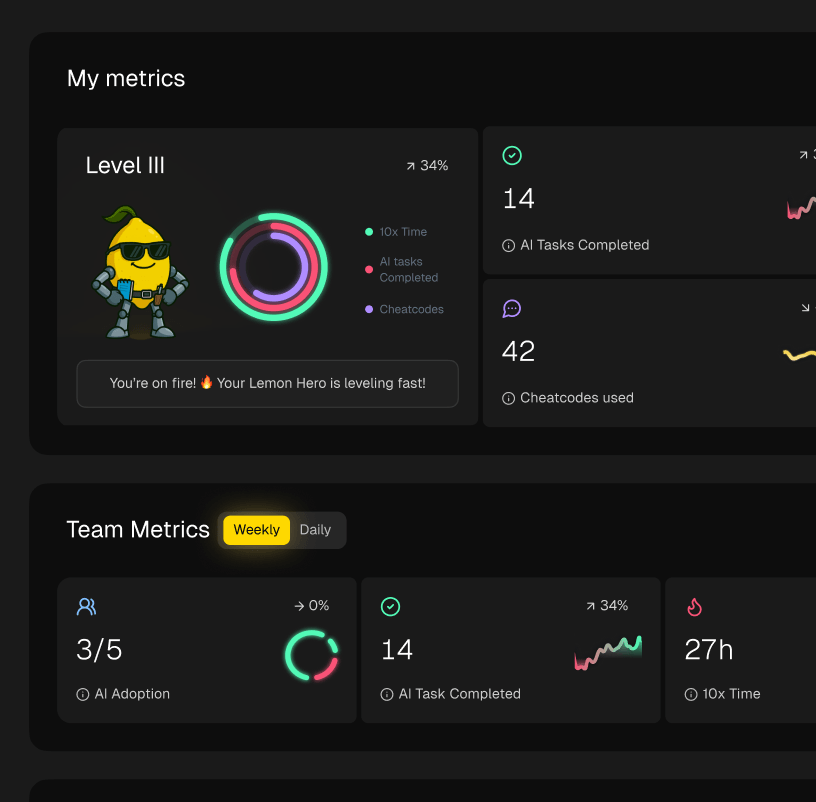
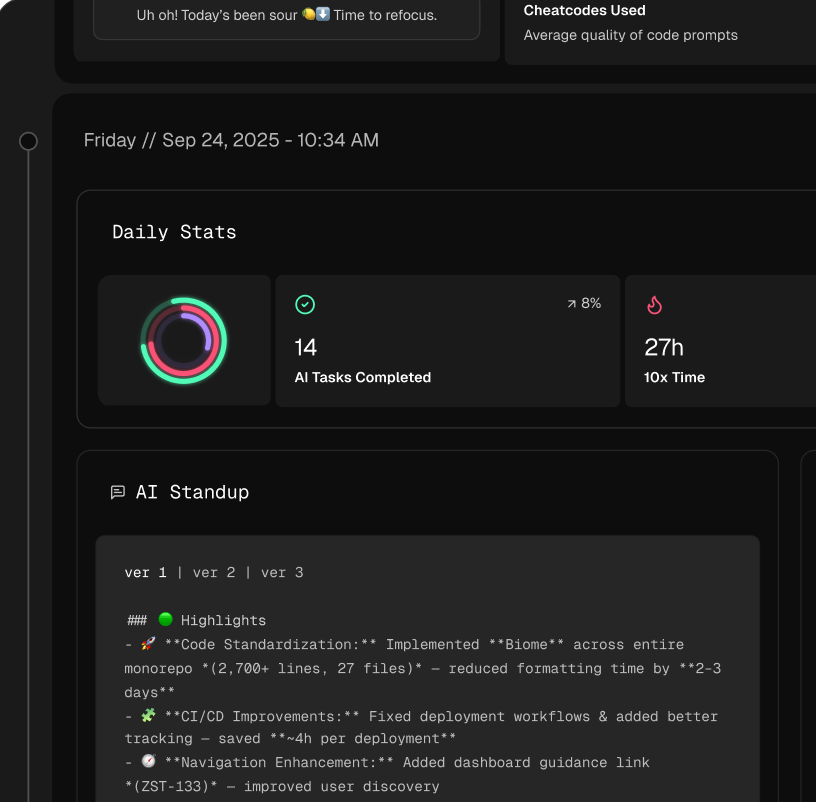
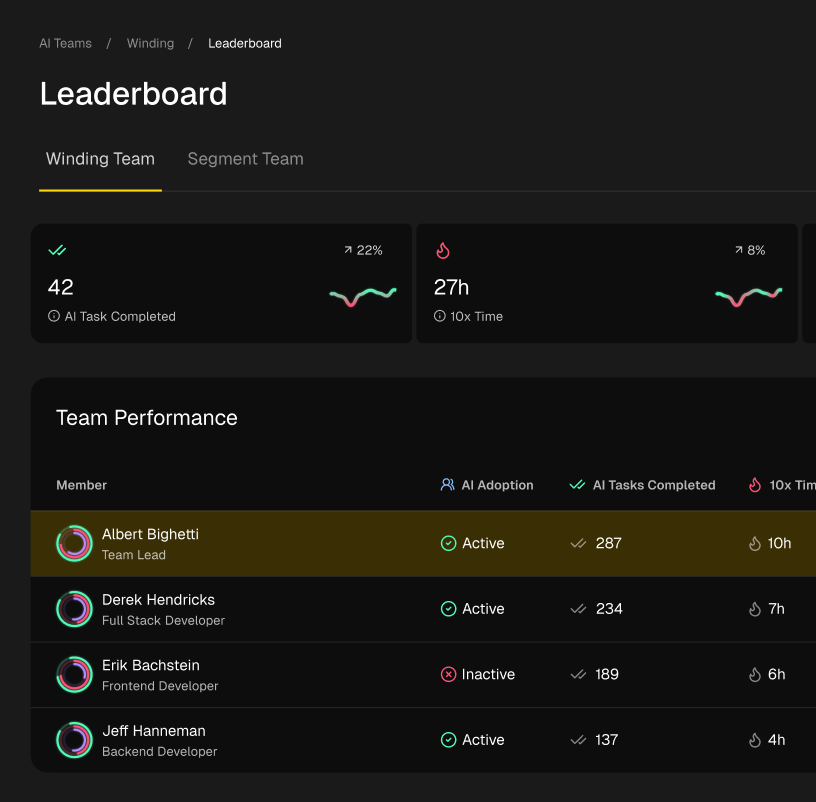
Ready to turn these strategies into your team’s daily reality? Zest transforms your team’s AI interactions into a clear, actionable dashboard, helping you automatically track progress, share winning prompts, and eliminate blockers. Get started for free and see how a smarter workflow can help you conquer the biggest challenges in engineering.
Gallery
Lemon shots