10 Best Practices in Software Development Life Cycle to Master in 2026

The software development life cycle (SDLC) is the blueprint for creating high-quality software, yet many teams struggle with inconsistent processes that lead to delays, bugs, and mounting technical debt. As development accelerates with the rise of AI-assisted coding, adopting a robust set of best practices in software development life cycle isn’t just a recommendation, it’s essential for survival. A structured SDLC ensures predictability, improves quality, and empowers teams to ship features faster and more reliably.
Transitioning from ad-hoc development to structured control requires implementing effective process management strategies. This guide moves beyond theory to provide a concrete, actionable framework for modern engineering teams. We will break down the 10 most critical best practices that transform workflows, from initial planning to long-term maintenance. Each point is designed for practical application, offering measurable metrics, anti-patterns to avoid, and clear checklists for immediate implementation.
This is not a high-level overview. We will dive into specific, actionable techniques for every phase, including requirements, design, development, testing, and deployment. You will learn how to integrate AI-assisted workflows using tools like Zest for AI Standups, how to track meaningful metrics, and how to apply these principles whether you are a startup team standardizing your process or a platform engineering lead optimizing for delivery speed. By the end, you will have a clear path to turn your development process into a significant competitive advantage, ensuring your team builds resilient, maintainable software with control and confidence.
1. Continuous Integration and Continuous Deployment (CI/CD)
Continuous Integration and Continuous Deployment (CI/CD) represent one of the most impactful best practices in the software development life cycle. This methodology automates the process of integrating code changes from multiple developers into a single shared repository. Each integration triggers an automated build and test sequence, ensuring that new code doesn’t break existing functionality.
Continuous Deployment takes this a step further by automatically deploying every validated change to a production environment. This creates a rapid and reliable release pipeline, dramatically reducing manual intervention and the risk of human error. By automating these stages, teams can deliver value to users faster and more frequently. For instance, Amazon famously deploys new code every 11.7 seconds, while Netflix uses sophisticated CI/CD pipelines to manage thousands of daily deployments across its vast microservices architecture.
How to Implement CI/CD
Getting started with CI/CD doesn’t require an all-or-nothing approach. You can begin by implementing a simple pipeline and gradually add complexity.
- Start with Automated Testing: Before building a full pipeline, ensure you have a robust suite of automated tests. This is the foundation of reliable CI.
- Choose a CI/CD Tool: Platforms like GitHub Actions or GitLab CI/CD integrate directly into your repository, simplifying setup.
- Measure Key Metrics: Track metrics like Deployment Frequency (how often you deploy) and Lead Time for Changes (time from commit to production) to gauge your pipeline’s efficiency.
- Use Feature Flags: Decouple deployment from release. This allows you to push code to production safely, enabling or disabling features for users without a new deployment.
- Integrate AI-Assisted Checks: Incorporate AI-powered code quality and security scanners into your pipeline. This is especially useful for validating AI-generated code suggestions before they are merged. Tools like Zest can also monitor deployment success rates and rollback frequency to help identify systemic issues in your process.
Adopting CI/CD transforms your development process from a series of slow, risky manual steps into a fast, automated, and continuous flow of value.
2. Code Review and Pair Programming
Code Review and Pair Programming are foundational best practices in the software development life cycle for ensuring high-quality, maintainable code. Code review is the asynchronous process where developers other than the author examine source code for mistakes, logic errors, and adherence to standards before it is merged. Pair programming is a synchronous practice where two developers work together at one computer, with one writing code (the driver) and the other providing real-time feedback (the navigator).
Both methods serve to catch defects early, facilitate knowledge sharing across the team, and improve collective code ownership. Google famously requires a formal review for virtually all code changes, while open-source giants like the Linux kernel rely on rigorous peer review to maintain stability. The rise of AI assistants makes these practices even more crucial, as human oversight is essential to validate AI-generated code, prevent the propagation of subtle errors, and ensure it aligns with project goals. To learn more about how AI is changing this dynamic, you can explore the evolution of AI pair programming.
How to Implement Code Review and Pair Programming
Integrating these collaborative practices can significantly elevate your team’s output. Start small and build a supportive culture around feedback.
- Establish Clear Guidelines: Document coding standards, style guides, and what to look for during a review. Use automated linters and formatters to handle stylistic issues automatically, allowing human reviewers to focus on logic and architecture.
- Keep Reviews Constructive: Frame feedback around the code, not the person. Comments should be specific, actionable, and solution-oriented to foster a positive and collaborative environment.
- Set Turnaround Expectations: Define a reasonable timeframe for reviews, such as within 24 hours, to avoid blocking progress. Track Code Review Time with tools like Zest to identify and address bottlenecks in the process.
- Leverage AI for Pre-Checks: Use tools that can improve AI-assisted workflows. For example, Zest AI Hints can flag weak or ambiguous prompts before the code is even written, saving reviewers from analyzing flawed AI output.
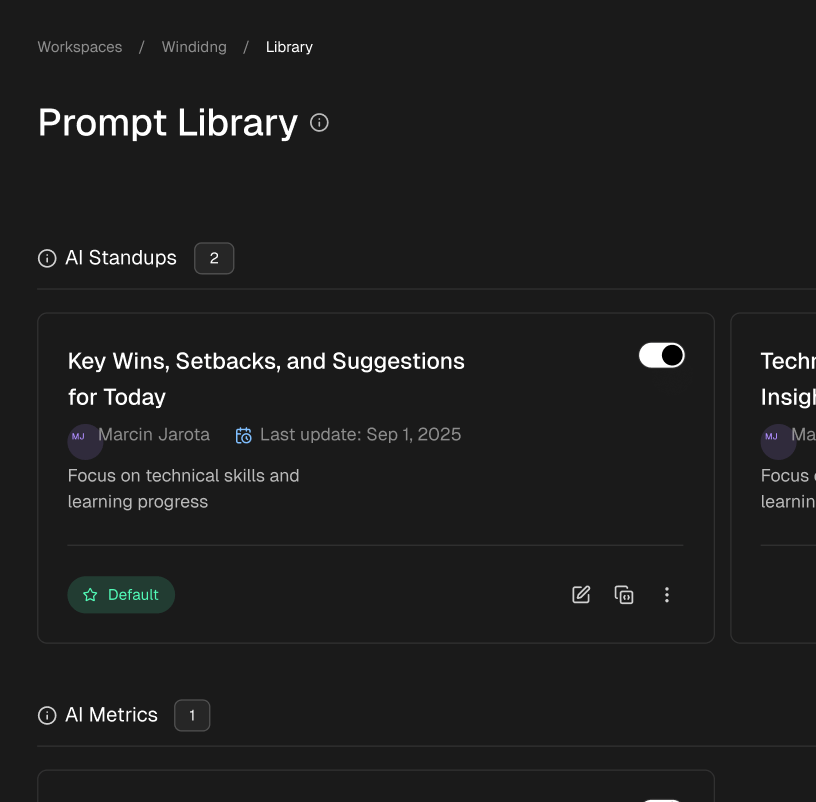
- Document Effective AI Prompts: Create a shared repository of successful AI prompt patterns. In Zest, you can save these as team “cheatcodes,” making it easy for everyone to leverage proven techniques for generating high-quality code suggestions.
3. Test-Driven Development (TDD)
Test-Driven Development (TDD) is a disciplined software development practice that inverts the traditional coding process. Instead of writing production code first, developers begin by writing an automated test case that defines a desired improvement or new function. This test will initially fail because the function hasn’t been implemented yet, which is the “Red” phase. The developer then writes the minimum amount of code required to make the test pass, entering the “Green” phase. Finally, the code is refactored to improve its structure and maintainability without changing its behavior, completing the “Refactor” cycle.
This methodology, popularized by Kent Beck, ensures that all code is testable by design and maintains high test coverage from the ground up. It forces developers to think through requirements and design before writing a single line of functional code, leading to simpler, more modular designs. TDD is a cornerstone of Extreme Programming (XP) and is widely used at companies like Google to build robust and maintainable systems, particularly for backend services where logic is complex and reliability is paramount. This makes TDD one of the most effective best practices in the software development life cycle for ensuring quality.

How to Implement TDD
Adopting TDD requires a shift in mindset, but you can introduce it gradually by focusing on specific components or new features. The key is to embrace the “test-first” philosophy.
- Start with Business Logic: Focus your initial TDD efforts on critical business logic where the requirements are clear and the behavior is easily testable with unit tests.
- Use Descriptive Test Names: Name your tests to clearly describe the expected behavior (e.g.,
test_calculates_tax_for_high_income_bracket). This serves as living documentation for your code’s functionality. - Aim for Practical Coverage: Don’t chase 100% test coverage. Aim for a practical goal of 70-90% that covers critical paths and complex logic, delivering the most value.
- Leverage AI for Test Generation: Use AI assistants to generate boilerplate test cases for edge conditions, invalid inputs, and boundary values. You can prompt an AI with a function’s requirements to generate a skeleton of tests before you even write the code.
- Measure AI-Generated Code Quality: Use tools like Zest to track metrics such as the first-pass test success rate for AI-generated code. This helps quantify how often AI suggestions meet requirements without needing manual fixes, providing clear visibility into AI’s impact on quality.
By embedding testing into the core development loop, TDD builds quality directly into your product rather than treating it as an afterthought.
4. Version Control and Git Workflows
Effective version control is a cornerstone of modern software development life cycle best practices. Using a system like Git, created by Linus Torvalds, allows teams to meticulously track every code change, collaborate seamlessly, and maintain a complete, reversible project history. This structured approach prevents conflicts and ensures that developers can work on different features in parallel without overwriting each other’s progress.
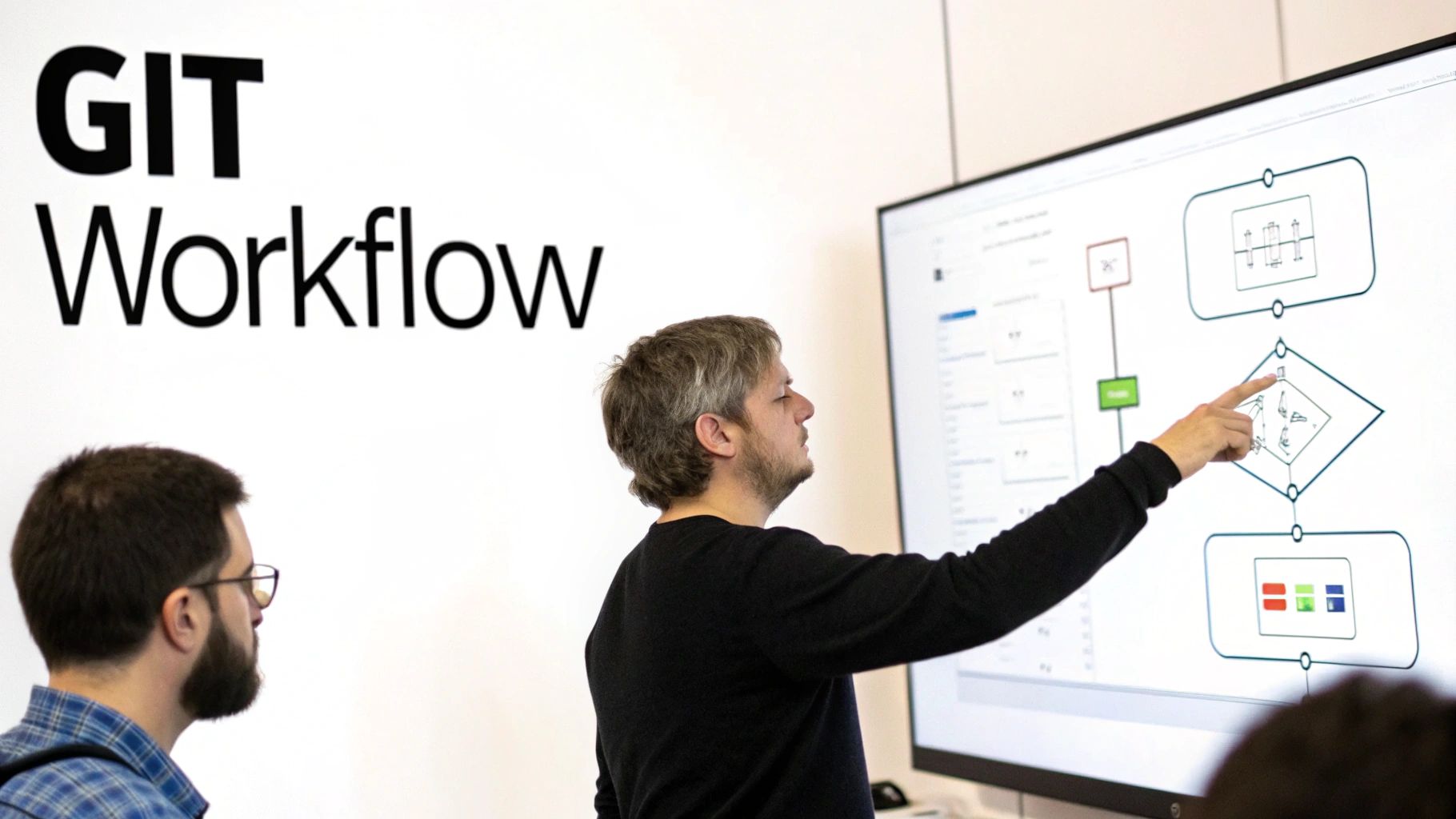
Beyond just tracking changes, defined Git workflows like GitHub Flow or Trunk-Based Development provide a strategic framework for how code is integrated and released. For example, GitHub uses its own GitHub Flow for rapid, continuous deployment, while Google and Netflix leverage trunk-based development to support their high-velocity release cycles. Adopting a clear workflow brings order to development, making the entire process more predictable and stable, especially when managing AI-generated code suggestions which require strict traceability.
How to Implement Version Control and Git Workflows
A disciplined approach to version control is crucial for maintaining code quality and team velocity. Start with these foundational practices and adapt them to your team’s specific needs.
- Adopt a Branching Strategy: Choose a model that aligns with your release cadence. Git Flow is structured for scheduled releases, while GitHub Flow and Trunk-Based Development are better suited for teams practicing continuous deployment.
- Write Descriptive Commit Messages: Follow a standard format, such as a 50-character subject line followed by a more detailed body. This creates a clean, understandable project history.
- Keep Branches Short-Lived: Aim to merge branches within one to three days. This minimizes the risk of complex merge conflicts and keeps the main branch up-to-date.
- Tag Releases Clearly: Use version tags (e.g.,
v1.0.1) to mark release points in your history. This makes it simple to check out, inspect, or roll back to a specific production version if an issue arises. - Trace AI-Assisted Commits: Document when a commit includes AI-generated code. This provides crucial context for code reviews and debugging. Tools like Zest can correlate AI development sessions with specific commits, offering clear visibility into AI’s contribution and impact on the codebase.
By implementing a robust version control strategy, you create a reliable foundation for building, testing, and deploying software efficiently and safely.
5. Code Quality, Static Analysis, and Technical Debt
Maintaining high code quality is a cornerstone of an effective software development life cycle. This practice involves combining automated static analysis tools with a deliberate strategy for managing technical debt. Static analysis tools like SonarQube or ESLint automatically scan code for bugs, security vulnerabilities, and maintainability issues before it’s even run. This catches problems early when they are cheapest to fix.
Simultaneously, actively managing technical debt, the implied cost of rework caused by choosing an easy solution now instead of using a better approach that would take longer, prevents shortcuts from degrading the codebase over time. Companies like Google use internal tools like Tricorder to enforce quality on every code change, while Stripe openly discusses and allocates resources to reducing its technical debt. This dual approach ensures that development velocity remains high in the long term, avoiding the slow decay that plagues unmaintained projects.
How to Implement Code Quality and Debt Management
You can introduce these practices incrementally to improve your development process without causing disruption.
- Integrate Static Analysis Early: Add linters and static analyzers to your CI/CD pipeline. Start with critical checks for security flaws and major bugs, then gradually enable style and complexity rules. For a deeper understanding of this process, you can learn more about static code analysis.
- Configure Rules as a Team: Don’t just use default settings. Discuss and agree upon a set of rules that aligns with your team’s coding standards and project goals.
- Allocate Time for Debt Reduction: Formally dedicate a portion of each sprint, typically 10-20%, to refactoring and paying down technical debt. This makes debt reduction a consistent habit, not an emergency measure.
- Track Key Quality Metrics: Monitor metrics such as Code Complexity (Cyclomatic Complexity), Code Coverage, and the number of “code smells” identified by your tools.
- Leverage AI for Refactoring: Use AI-assisted coding tools to identify areas for refactoring and suggest cleaner implementations. Crucially, use Zest to track whether AI-generated code is increasing or decreasing your overall technical debt, ensuring it acts as a solution, not a source of new problems.
By embedding quality checks and debt management into your daily workflow, you build a sustainable foundation for creating robust, maintainable software.
6. Documentation and Knowledge Management
Comprehensive documentation is the backbone of a maintainable and scalable software project, yet it is often one of the most neglected best practices in the software development life cycle. This practice involves creating and maintaining a clear record of the system’s architecture, code, and processes. It encompasses everything from in-line code comments and detailed commit messages to high-level Architecture Decision Records (ADRs) and onboarding guides for new team members.
Effective documentation reduces the “bus factor” by ensuring knowledge is not siloed within individual developers. Stripe’s world-class API documentation is a prime example of how clear, accessible information empowers users and developers alike. Similarly, Google’s extensive engineering practices guides create a shared understanding that allows thousands of engineers to collaborate effectively. By treating documentation as a first-class citizen, teams can drastically reduce onboarding time, simplify maintenance, and preserve critical project context.
How to Implement Documentation and Knowledge Management
Building a culture of documentation is an ongoing process that requires commitment and the right tooling. It starts with small, consistent habits that compound over time.
- Document the “Why,” Not Just the “What”: Good code explains how it works, but documentation should explain why it exists. Use Architecture Decision Records (ADRs) to capture the context and trade-offs behind significant technical choices.
- Keep Documentation Close to the Code: Store documentation in the same repository as the code it describes using formats like Markdown. This practice, often called “docs as code,” ensures it is versioned and updated alongside feature development.
- Use AI to Generate and Maintain Docs: Leverage AI assistants to generate initial documentation drafts from code blocks, summarize complex functions, or even translate technical jargon into plain language. This lowers the barrier to getting started.
- Capture and Share AI Prompts: When using AI for coding, document effective prompts and workflows. Zest allows teams to save these as “cheatcodes,” creating a reusable playbook that helps others reproduce successful AI-driven outcomes. Developing A Practical Knowledge Management Strategy is essential for organizing these assets.
- Track Key Metrics: Monitor metrics like Time to Onboard (how quickly a new developer can make their first meaningful contribution) and Documentation Staleness (percentage of docs not updated in the last quarter) to measure effectiveness.
By integrating these practices, you transform documentation from a chore into a powerful tool that accelerates development and ensures long-term project health.
7. Agile Development and Sprint Planning
Agile development is an iterative approach to software delivery that builds products incrementally from the start of a project, instead of trying to deliver it all at once near the end. Methodologies like Scrum and Kanban organize work into short, time-boxed cycles called sprints, emphasizing rapid feedback, continuous improvement, and a flexible response to change. This focus on working software over comprehensive documentation makes it one of the most vital best practices in the software development life cycle.
By breaking down large projects into manageable units, Agile teams can adapt to shifting requirements without derailing the entire project. This approach is famously used by companies like Spotify, which scaled its own version of Agile across autonomous “squads,” and Atlassian, whose Jira software is practically synonymous with Agile workflow management. Agile enables teams to deliver value consistently and predictably, ensuring the final product aligns closely with user needs and business goals.
How to Implement Agile and Sprint Planning
Adopting Agile is a cultural shift that prioritizes collaboration and iterative progress. Here are actionable steps to get started with this effective SDLC practice.
- Start with Two-Week Sprints: This is a common starting point that provides a good balance between planning and feedback. Adjust the length based on what works best for your team’s rhythm.
- Use Story Points for Estimation: Estimate the relative complexity and effort of tasks using story points, not hours. This abstracts away individual speed and focuses on the work itself.
- Keep Ceremonies Focused: Time-box daily standups to 15 minutes to keep them efficient. Ensure sprint retrospectives are blameless and produce concrete action items. Learning the difference between a review and a retrospective is key; you can learn more about the distinction between a sprint review and a sprint retrospective here.
- Track Key Metrics: Monitor Sprint Velocity (story points completed per sprint) to forecast future capacity and Cycle Time (time from starting a task to completion) to identify bottlenecks.
- Integrate AI-Assisted Workflows: Use tools like Zest to run AI-powered Standups that automatically surface wins, blockers, and progress for more effective retrospectives. You can also measure how AI tool adoption impacts story velocity and sprint capacity, using Zest’s metrics to pinpoint where AI workflows are improving efficiency or causing friction.
Adopting Agile and structured sprint planning transforms your development process into a responsive, transparent, and highly efficient system for delivering high-quality software.
8. Performance Monitoring and Observability
Performance Monitoring and Observability are essential best practices in the software development life cycle, providing the visibility needed to understand how applications behave in production. Monitoring involves collecting and analyzing data through metrics, logs, and traces (APM) to detect known issues. Observability goes a step further, enabling teams to ask new questions about their system’s state without needing to ship new code, which is crucial for debugging complex, unpredictable problems.
By instrumenting applications, teams can proactively identify bottlenecks, reduce downtime, and ensure a reliable user experience. For instance, Google’s Dapper, a distributed tracing system, helps engineers understand the complex interactions within its microservices. Similarly, companies like Datadog and New Relic provide powerful APM solutions that have become industry standards for tracking application health and performance in real time.
How to Implement Performance Monitoring and Observability
Integrating these practices ensures you can move from reactive firefighting to proactive system improvement.
- Establish the Three Pillars: Instrument your code to emit metrics (numeric data), logs (timestamped event records), and traces (request lifecycle data). This foundation provides comprehensive system visibility.
- Set Up Meaningful Alerts: Configure alerts for critical performance thresholds and error rates. Create clear runbooks that document the steps to resolve common alerts, reducing mean time to resolution (MTTR).
- Trace Across Services: Use correlation IDs to link logs and traces for a single request as it travels through a distributed system. This simplifies debugging complex, multi-service workflows.
- Monitor AI-Generated Code: Pay close attention to the performance of AI-generated code. Track key metrics like latency and resource consumption to ensure it doesn’t introduce regressions or inefficiencies.
- Correlate Development with Production: Use AI-assisted tools to connect development activities to production outcomes. For example, Zest metrics can help you correlate specific AI coding sessions with subsequent production issues, enabling faster root cause analysis.
Adopting a strong monitoring and observability strategy transforms your ability to maintain system health, making your development process more resilient and data-driven.
9. Security and Secure Coding Practices
Embedding security into every phase of the software development life cycle, often called DevSecOps, is a non-negotiable best practice. Instead of treating security as an afterthought or a final gate before release, this approach integrates security checks, secure coding standards, and threat modeling from the very beginning. This “shift-left” methodology makes security a shared responsibility across the entire team, rather than a siloed function.
By addressing vulnerabilities early and continuously, teams can drastically reduce the risk of costly breaches and emergency patches post-launch. Industry leaders like Microsoft with its Security Development Lifecycle (SDL) and the non-profit OWASP (Open Web Application Security Project) provide frameworks and guidelines that have become industry standards. For instance, GitHub’s automated dependency scanning alerts developers to known vulnerabilities in their project’s libraries, preventing common exploits before they ever reach production.
How to Implement Secure Coding Practices
Integrating security doesn’t have to be a monumental effort. Start with foundational practices and build from there to create a more resilient development process.
- Use a Security Checklist: Adopt the OWASP Top 10 as a set of security requirements during the planning and development phases. This provides a clear, prioritized list of the most critical web application security risks to mitigate.
- Automate Security Scanning: Implement secrets scanning in your CI/CD pipeline to prevent accidental exposure of API keys, passwords, and other credentials. Also, regularly scan dependencies for known vulnerabilities using tools integrated into your repository.
- Validate and Sanitize All Inputs: Treat all user-supplied data as untrusted. Use strict allowlists for input validation rather than denylists, and ensure data is properly sanitized to prevent injection attacks.
- Review AI-Generated Code: AI-assisted coding tools can sometimes generate insecure patterns. Conduct targeted security reviews for AI-generated code, especially for sensitive functions like authentication or data handling. Tracking security issues originating from AI code can help identify recurring weaknesses.
- Leverage AI for Security: When using AI to generate code, use security-focused prompts. For example, instead of asking for “a login function,” ask for “a secure login function using bcrypt for password hashing and parameterized queries to prevent SQL injection.” Zest can help track metrics like Vulnerability Detection Rate and Time to Remediate to measure the effectiveness of your security initiatives.
Making security an integral part of your SDLC is one of the most effective best practices in software development life cycle, protecting both your users and your business.
10. Metrics, Measurement, and Data-Driven Decisions
Making decisions based on intuition alone is one of the riskiest anti-patterns in the software development life cycle. A data-driven approach, grounded in key performance metrics, replaces guesswork with objective evidence. This practice involves systematically tracking and analyzing data to identify bottlenecks, measure improvements, and align engineering efforts with business outcomes. By making performance visible, teams can have more productive conversations about what’s working and what isn’t.
The DORA (DevOps Research and Assessment) metrics, popularized by Google and the book Accelerate, have become an industry standard for measuring high-performing teams. They provide a balanced view of both speed and stability. For instance, dbt Labs publicly shares its engineering metrics benchmarks, providing transparency and fostering a culture of continuous improvement based on real data. Ultimately, measurement turns development from a black box into a predictable and optimizable system.
How to Implement Data-Driven Decisions
Adopting a metrics-driven culture is about focusing on outcomes, not just output. Start small and make the data accessible to everyone on the team.
- Focus on DORA Metrics First: Start by tracking Deployment Frequency, Lead Time for Changes, Mean Time to Recovery (MTTR), and Change Failure Rate. These four metrics offer a comprehensive view of your delivery pipeline’s health.
- Pair Leading and Lagging Indicators: Track leading indicators like Pull Request Review Time to predict future bottlenecks, alongside lagging indicators like Deployment Frequency that show past performance.
- Make Metrics Visible: Use dashboards in tools like Jira, GitLab, or dedicated platforms to display key metrics. Visibility ensures the entire team is aligned and aware of performance trends.
- Review Metrics in Retrospectives: Dedicate time during monthly retrospectives to discuss the metrics. Ask what the data is telling you and use it to set concrete, measurable goals for the next cycle.
- Measure AI Impact: Quantify the value of AI-assisted workflows by tracking metrics such as AI Adoption Rate and Time Saved per Task. Zest can help track which AI prompts or cheatcodes generate the best code quality improvements, linking AI usage directly to engineering outcomes.
By embedding measurement into your daily workflows, you empower your team to make smarter, evidence-based decisions that consistently drive improvement.
Top 10 SDLC Best Practices Comparison
| Practice / Pattern | Complexity & Process 🔄 | Resource & Tooling ⚡ | Expected Outcomes ⭐📊 | Ideal Use Cases 💡 | Key Advantages ⭐ |
|---|---|---|---|---|---|
| Continuous Integration and Continuous Deployment (CI/CD) | High upfront setup and maintenance; pipeline complexity | CI servers, runners, test infra, deployment integrations | Faster releases; early bug detection; rapid feedback loops | Teams with frequent releases; validate AI-generated code before prod | Automated test+deploy; rollback; consistent delivery |
| Code Review and Pair Programming | Low–medium overhead; depends on reviewer availability | Review tools (PRs), collaboration tools, skilled reviewers | Higher code quality; knowledge sharing; fewer regressions | Complex logic, security-sensitive code, reviewing AI outputs | Catch defects early; shared ownership; onboarding aid |
| Test-Driven Development (TDD) | Moderate–high discipline; slower initial velocity | Test frameworks, CI integration, developer discipline | High test coverage; safer refactoring; clearer requirements | Core business logic, critical systems, validating AI code correctness | Reduces regressions; living documentation; better design |
| Version Control and Git Workflows | Low–medium process enforcement; branching rules needed | Git hosting, branching/merge tools, CI hooks | Traceability; safe experimentation; easy rollbacks | Any multi-developer project; tracing AI commits | Audit trail; collaboration; structured release strategies |
| Code Quality, Static Analysis & Technical Debt | Medium tooling setup; rule tuning and governance | Linters, static analyzers, debt metrics, CI gates | Automated bug/vuln detection; maintainability metrics | Large or legacy codebases; continuous refactoring; security focus | Objective quality metrics; automated enforcement; debt tracking |
| Documentation & Knowledge Management | Low–medium ongoing effort; discipline to maintain | Docs repo, ADRs, runbooks, knowledge base tools | Faster onboarding; preserved intent; reproducible patterns | Scaling teams; capturing AI prompts/cheatcodes; operational runbooks | Reduces knowledge loss; context for maintainers and AI |
| Agile Development & Sprint Planning | Medium process overhead; requires team buy-in | Agile boards (Jira), ceremonies, backlog tooling | Shorter feedback cycles; predictable cadence; improved velocity | Iterative product work; measuring AI impact on stories | Rapid adaptation; continuous improvement; visible priorities |
| Performance Monitoring & Observability | High infra and expertise requirements; data ops | APM, logging, tracing, dashboards, storage | Faster detection/response; performance insights; regression alerts | Production systems at scale; validating AI code performance | Reduce MTTR; data-driven optimization; anomaly detection |
| Security & Secure Coding Practices | Medium–high integration effort; ongoing education | Vulnerability scanners, secrets management, security reviews | Fewer vulnerabilities; compliance; reduced breach risk | Systems handling sensitive data; auth/crypto areas; regulated apps | Prevents incidents; builds trust; meets compliance needs |
| Metrics, Measurement & Data-Driven Decisions | Medium instrumentation and analytics effort | Telemetry, dashboards, DORA tooling, analytics | Evidence-based improvements; measurable AI impact | Process improvement, benchmarking, investment justification | Identify bottlenecks; quantify ROI; prioritize work |
Building a Culture of Continuous Improvement
Navigating the modern software development landscape requires more than just mastering a programming language or a framework. As we’ve explored through the ten foundational best practices, from Continuous Integration and Test-Driven Development to robust security protocols and data-driven decision-making, excellence is a process, not a destination. These principles aren’t isolated checkboxes to be ticked off. They are interconnected disciplines that, when woven together, create a powerful, resilient, and highly efficient software development life cycle.
Adopting these practices is fundamentally about building a culture of continuous improvement. It’s a commitment from every developer, lead, and manager to treat the development process itself as a product. Just like any software you build, your SDLC should be monitored, analyzed, iterated upon, and refined. A static process is a falling process. The goal is to create a self-correcting system where feedback loops are short, quality is built-in, and innovation can thrive without being suffocated by technical debt or manual toil.
From Theory to Tangible Results
The transition from understanding these concepts to implementing them can feel daunting. The key is to start small and make success measurable. Don’t attempt to overhaul your entire SDLC overnight. Instead, identify the most significant bottleneck in your current workflow.
- Is your deployment process slow and error-prone? Start by automating one part of your CI/CD pipeline.
- Are bugs consistently slipping into production? Introduce a stricter code review checklist or experiment with pair programming on critical features.
- Is your team unsure of what to build next? Refine your Agile sprint planning and ensure every story has crystal-clear acceptance criteria.
This incremental approach builds momentum. Each small win demonstrates the value of these best practices in software development life cycle, making it easier to gain buy-in for more significant changes. The aim is to create a flywheel effect where each improvement feeds the next, gradually transforming your team’s capabilities.
The AI-Assisted Future of SDLC
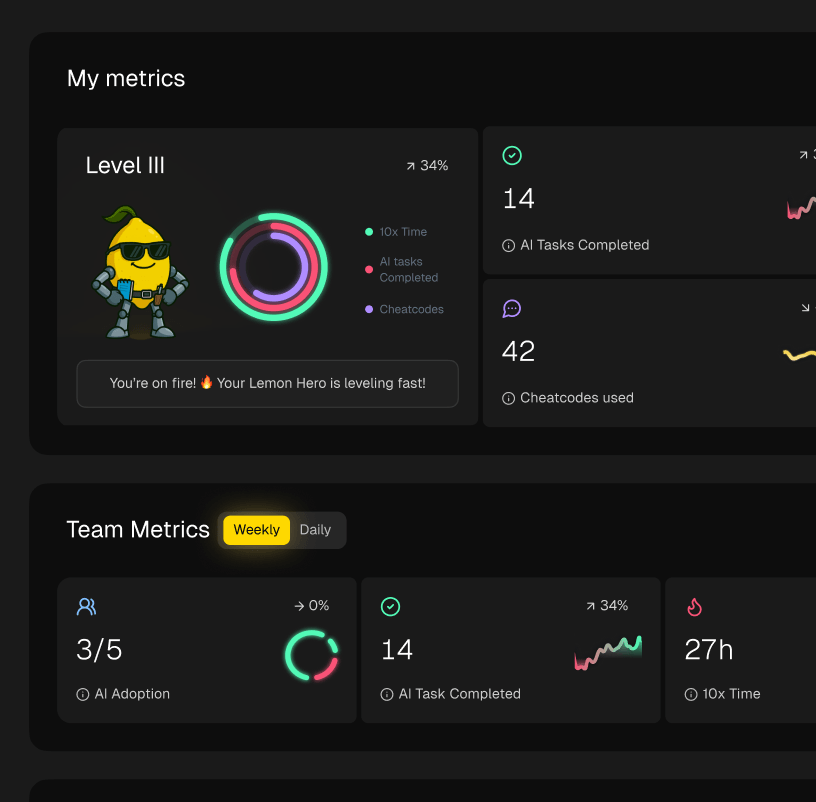
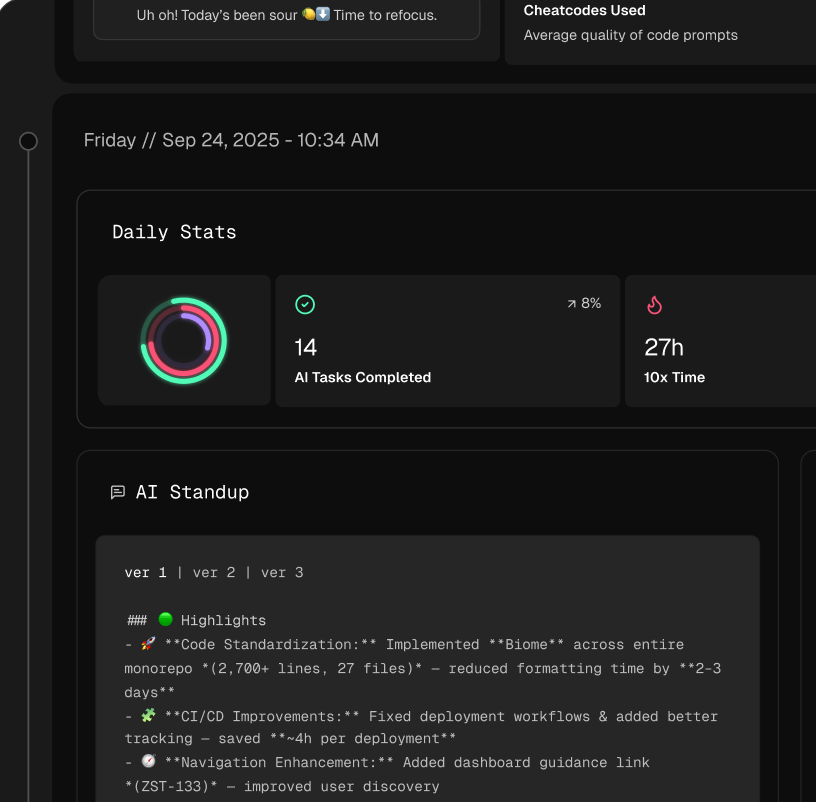
The rise of AI-assisted workflows adds a new, powerful dimension to this culture of improvement. Tools like Zest are not just about generating code faster; they offer a unique opportunity to gain unprecedented visibility into how work gets done. By integrating AI Standups, Metrics, and Hints, you can finally answer critical questions with data, not just intuition.
Key Takeaway: The ultimate goal is not just to follow best practices, but to create a system where your team is empowered to continuously discover and scale its own unique best practices, amplified by intelligent tooling.
By tracking AI adoption and its direct impact on core DORA metrics like Deployment Frequency and Lead Time for Changes, you can optimize your SDLC with surgical precision. This allows you to identify which AI-powered techniques are truly moving the needle and then standardize them across the organization using shared prompts and cheatcodes. Mastering the best practices in software development life cycle in this new era means mastering the synergy between human expertise and machine intelligence. It’s about building a system that learns, adapts, and consistently delivers exceptional value.
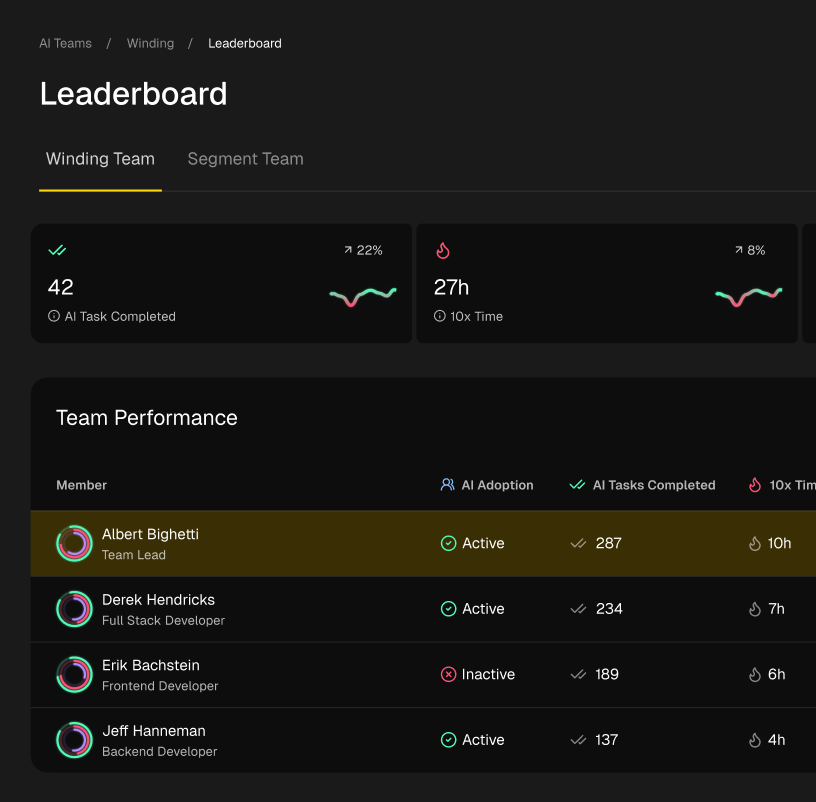
Ready to make your SDLC’s best practices visible and measurable? Zest integrates directly into your workflow to provide AI Metrics, Standups, and shared workflows, helping your team quantify the impact of AI and scale what works. Transform your development process from a black box into a data-driven engine of continuous improvement by visiting Zest.
Master Your SDLC Workflow
Turn these best practices into repeatable, measurable habits that accelerate your team's delivery.
📊 Core Metrics
- Deployment Frequency — how often you successfully release to production
- Lead Time for Changes — time from code commit to production deployment
- AI-Assisted Velocity — story points completed using AI vs. baseline
🕹️ My Cheatcodes
- 🌱 Test First, Code Later — write a failing test before writing any implementation code
- 🦎 Short-Lived Branches — merge branches daily to avoid complex integration issues
- ⚡ Measure Everything — use tools and metrics to make AI's impact visible and actionable
📈 Reflection Points
- 💡 Where is the biggest bottleneck in our current workflow?
- 🧩 Are we reviewing AI-generated code with the same rigor as human-written code?
- 📘 What is one process we can automate in the next sprint?
✅ Before Your Next Sprint
- 🔍 Review and prioritize the tech debt backlog
- 📊 Set one measurable goal for improving a DORA metric
- 🧭 Share one successful AI prompt as a team cheatcode
- 📈 Ensure every story has clear acceptance criteria
Gallery
Lemon shots